A Visitor’s Checklist for Enjoying an Irish Pub in NYC

New York has no shortage of bars that borrow the look of Ireland. Dark wood, Guinness mirrors, a fiddle playlist in the background, maybe a framed county crest over the back bar. That part is easy. The harder part, especially for a visitor, is knowing how to spot a place that actually feels like an Irish pub rather than a themed stop designed for one quick round and a photo.
A good Irish pub in NYC can give you something rare in this city, a room that slows down just enough for conversation, steady service, and a sense that regulars matter. The best ones are not trying too hard. They know what they are. You can step in for a pint at 4 p.m., come back after dinner, and the room still holds together. That consistency is part of the pleasure.
If you are visiting and want the real experience, it helps to arrive with a few working principles. Not rules, exactly. More like cues that make the night smoother, whether you are walking into a Midtown standby before a show, a downtown spot with a stronger whiskey program, or a neighborhood pub in Queens or the Bronx where the accents at the bar can still sound like Galway, Cork, or Tyrone.
Start by choosing the right kind of pub
A visitor often makes the same first mistake in any major city, picking the busiest visible place in the most obvious corridor. In Manhattan, that can mean ending up somewhere serviceable but forgettable, paying tourist prices for a rushed pint in a room that turns over customers as fast as possible.
There is nothing wrong with a busy central pub if convenience is the priority. If you are near Penn Station, Times Square, Grand Central, or the Financial District and need a reliable stop, a well-run Irish Pub NYC location in those areas can still deliver. The trick is managing expectations. Transit-heavy pubs tend to be louder, more crowded, and more transactional. Neighborhood pubs usually offer the stronger sense of welcome.
When I am helping someone pick a place, I ask what kind of night they want. If the answer is live music, that narrows the field immediately. If they want a proper pint and uninterrupted conversation, I steer them away from sports-heavy rooms on game night. If they care about Irish whiskey, I suggest checking whether the bar treats whiskey as a real category or simply keeps Jameson and one expensive bottle behind glass.
The strongest pubs often share a few quiet signals. The room has wear, not damage. The bartenders move fast but do not look frantic. The menu is compact rather than sprawling. The Guinness turnover appears healthy, meaning pints are being poured regularly instead of sitting untouched as decoration. You may hear Irish voices, but you do not need to. A pub does not become authentic because someone imported a bar front from Dublin. It becomes authentic through rhythm, standards, and hospitality.
Timing changes everything
An Irish pub can feel like three different establishments over the course of one day. Late afternoon is usually the easiest time for a visitor to get the measure of a place. You can sit, watch service, ask a question without shouting, and decide whether to stay. By contrast, arriving at 7:30 on a Friday and judging the pub from the doorway is like trying to assess a restaurant while standing in the coat-check line.
Happy hour brings one crowd, dinner another, and late-night a third. Before major holidays such as St. Patrick’s Day, the entire category shifts. Some pubs become all but inaccessible unless you are willing to queue, shoulder through a packed standing crowd, and accept that quality control can slip when the room is three deep at the bar.
For visitors, the sweet spot is often between 4:30 and 6:30 p.m. You get enough energy to understand the place, but not so much noise that every order turns into a negotiation. Sunday afternoons can also be excellent, especially during colder months, when the pub leans into what it does best, comfort, conversation, and a pint that feels unhurried.
Live music deserves its own note. A trad session can turn a good pub into a memorable one, but not all music nights serve the same purpose. Some are listening rooms in all but name. Others are social sessions where the musicians are part of the atmosphere rather than the focal point. Ask before you settle in, especially if your group hopes to talk easily over a second round.
What to notice in the first ten minutes
The first ten minutes tell you almost everything. Watch how the staff greet people. In a real pub culture, regulars are valued, but newcomers are not ignored. You should feel seen fairly quickly, even in a busy room. That does not mean instant service. It means eye contact, a nod, or some clear indication that your turn is coming.
Look at the bar top and the tables. A little clutter during a rush is normal. Sticky neglect is not. Notice the pace of glass collection. A well-run pub clears empties promptly because turnover matters and because dead glass drags the room down. Pay attention to the sound level too. Music should support the pub, not conquer it. If you have to lean across the table and shout before the night has even started, you may be in the wrong place for the experience you had in mind.
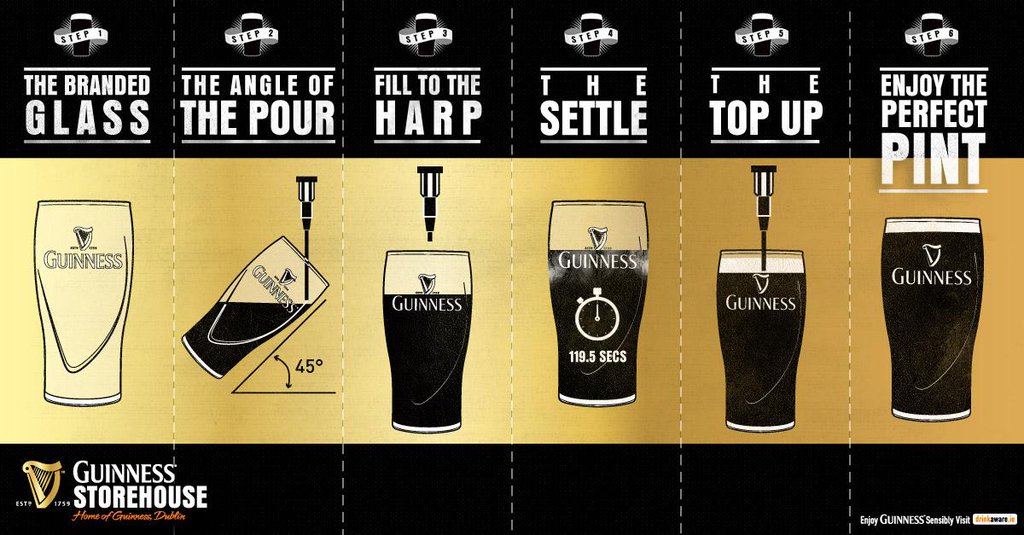
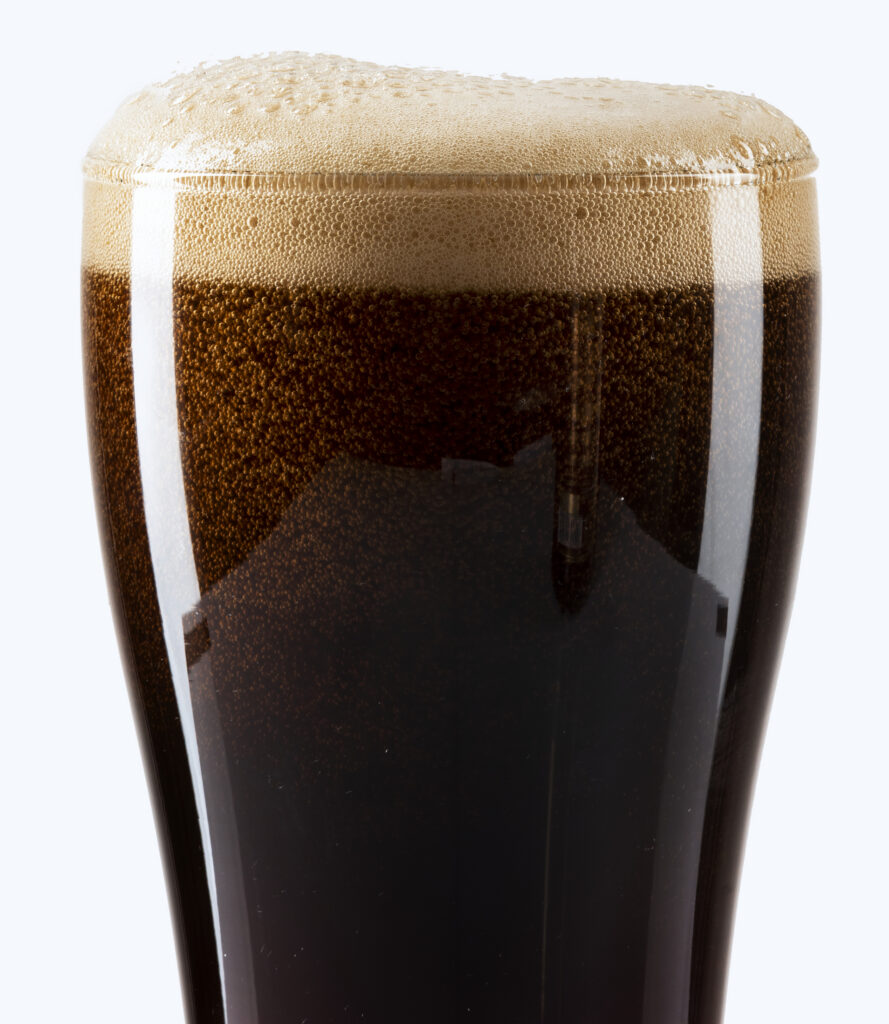
Then there is the pour. Guinness has become a cliché of pub discussion, but for good reason. It is both a drink and a signal. No single visual detail proves excellence, yet a careful pour suggests a bar that respects process. That matters beyond stout. It often correlates with clean lines, fresh kegs, proper glassware, and bartenders who know that details accumulate.
A visitor who pays attention to these basics will avoid many disappointments without needing insider knowledge.
A practical checklist before you commit to a second round
Use this as a quick test once you have your seat or space at the bar:
- Did the staff acknowledge you clearly, even if they were busy?
- Does the room feel lived-in and cared for, rather than staged?
- Are people actually drinking the staples, especially stout, ale, and whiskey, or is the Irish identity mostly decorative?
- Can you imagine staying for another hour without the noise, service, or crowd becoming a chore?
- Is there at least one thing on the food or drink side that the pub seems genuinely known for?
If the answer is yes to most of those, you have probably found a place worth settling into.
Ordering well, without overthinking it
Visitors sometimes freeze at the bar because they worry about ordering the “right” thing. There is no prize for performing expertise. Order what you like. The only useful distinction is whether you are ordering in a way that suits the pub.
If the place is known for Guinness, order Guinness. If the whiskey list is unusually deep, ask for a recommendation within your price range and flavor preference. “Something lighter and not too peaty” is more useful than pretending to know labels you do not actually drink. If you want food, ask what the kitchen executes reliably when the room is busy. A bartender who hesitates before recommending the shepherd’s pie has done you a favor.
It is also worth knowing that the broad American understanding of Irish pub food can be a little romanticized. Some places do excellent soda bread, fish and chips, stew, curry fries, or a full Irish breakfast on weekends. Others are stronger on drink than food, and that is fine. Not every pub needs to be a destination kitchen. A modest menu done consistently is far better than a laminated encyclopedia of dishes that all arrive mediocre.
If you are with friends, keep the first round simple. Complicated cocktails in a packed pub slow everything down and often miss the point of the room. That does not mean an Irish pub in New York cannot make a proper mixed drink. Many can. It just means the setting naturally favors pints, pours, and straightforward orders.
Reading the whiskey list with some sense
Irish whiskey has changed dramatically over the last decade or so. Even pubs that once stocked a basic trio now often carry a wider range, from accessible blends to single pot still expressions and special cask finishes. For a visitor, that abundance can be fun or confusing.
A smart approach is to decide whether you want a casual pour or a tasting moment. If you are just settling in, ask for a dependable standard. If you want to explore, ask the bartender what the pub sells enough of to stay fresh. That is a better question than asking for the rarest bottle in the room. Expensive whiskey sitting too long is not always the best expression of the bar’s strengths.
Some of the best whiskey experiences in NYC happen in pubs that are not flashy about it. The back bar may look modest until you notice thoughtful bottles tucked among the familiar names. A bartender who can explain why one whiskey is fruitier, spicier, or creamier than another, without drifting into rehearsed speech, is usually worth listening to.
Price matters here. Visitors can get caught in the trap of turning every New York drink order into a special occasion. There is no need. One carefully chosen pour and one well-poured pint often beats three impulsive premium orders that you barely remember by the end of the night.
Food matters more than people admit
A lot of pub nights improve noticeably once a plate lands on the table. That is not glamorous advice, but it is true. A visitor walking the city all day, perhaps after museum stops, long subway rides, or a windy evening crossing town, will enjoy a pub more with something substantial in the stomach.
The classic move is to share first, then decide whether anyone still wants a main. Good chips, sausage rolls, soup, brown bread, or a warm sandwich can keep the evening balanced without making everyone too full. If a pub has a house specialty and you hear it mentioned by multiple staff members or nearby tables, pay attention. Reputation in a pub often spreads through repetition, not marketing.
That said, food service can reveal trade-offs. A packed sports pub may move burgers quickly but treat the dining side as secondary to drink volume. A quieter neighborhood pub might serve more carefully but at a slower pace. Neither model is wrong. The question is whether it suits your evening. If your group is hungry and impatient, choose accordingly.
Brunch deserves mention as well. Some Irish pubs in NYC are especially good in daylight hours, when the room is calmer and the menu leans toward breakfast standards. A weekend full Irish can be excellent if the kitchen knows how to handle black and white pudding, rashers, eggs, and toast without reducing the plate to novelty. It is not easy to do well, and that is precisely why a good one stands out.
Know the house rhythm at the bar
American visitors sometimes expect table service everywhere, while others assume the opposite and hover awkwardly. In New York, the setup varies. Some pubs run full table service in the dining area and bar service at the counter. Some shift depending on the time of day. If no one approaches after a reasonable wait, ask politely whether you should order at the bar.
Space etiquette matters. Do not plant yourself directly behind seated guests. Do not wave cash theatrically. Do not bark your order while the bartender is finishing with someone else. A competent bartender notices more than you think. A small amount of patience usually gets rewarded faster than people realize.
Rounds are also part of the pub social logic. Even among visitors, taking turns can simplify the evening and reduce crowding at the bar. If your group is large, appointing one or two people to order each round makes life easier for everyone, especially when the room is busy and names cannot be heard over the ambient noise.
Here are a few ordering habits that make you look like someone who understands the room:
- Know your round before you reach the bartender.
- Ask questions when the bar is calmer, not during the peak crush.
- Tip steadily, especially if you plan to stay for several rounds.
- If you need water, ask for it directly and early.
- Close out thoughtfully, not in a panic when everyone else is doing the same.
None of this is complicated, but it changes the experience.
Sports, music, and the mood of the night
One of the pleasures of the Irish pub format is that it can hold different kinds of energy without losing itself. A rugby morning, a Premier League crowd, a quiet weekday pint, a late-night session, these can all happen in the same room across a week. For the visitor, the challenge is recognizing what kind of night you are walking into.
A football match can transform a conversational pub into a wall of sound. That is either perfect or terrible, depending on your plans. Ask ahead if a major match is on. During Gaelic games, Six Nations rugby, or important soccer fixtures, even a normally sedate place may become standing-room only. That surge can be exhilarating, but it is not ideal if you hoped for a first date atmosphere or a long catch-up with an old friend.
Music nights present another judgment call. Traditional Irish music can be magical in the right room, especially when the musicians play close enough to the crowd that the set feels communal rather than staged. Yet not every pub advertising music has the same standards. Some sessions are polished, others casual, and some are better appreciated with lowered expectations and another pint.
If you are after atmosphere without chaos, a non-event weeknight often wins. The pub reveals itself more clearly then. You can hear the bartender’s recommendations, the room’s real volume, and the conversations that give a place character.
Neighborhoods shape the experience
The phrase Irish Pub NYC covers a lot of ground. Manhattan alone contains several subtypes. Midtown offers convenience and foot traffic. The Financial District has post-work crowds and historic-feeling rooms. The West Village and East Village can blend pub culture with younger nightlife. Uptown often feels more residential and less performative.
Outside Manhattan, the landscape broadens. Parts of Queens and the Bronx have deep Irish and Irish American roots, and some pubs there feel less curated for visitors and more anchored in local life. Brooklyn adds its own mix, from old-guard establishments to newer bars that borrow heavily from pub tradition while serving a more mixed crowd. If you are willing to travel a bit, you may find that your most memorable pint is not in the most famous district.
This is where practical judgment helps. If your night hinges on one place, keep transport in mind. The best pub in theory is less useful if the trip home becomes a headache after midnight. New York rewards spontaneity, but it also punishes poor logistical planning. A great neighborhood pub followed by an expensive, difficult ride across boroughs can take the shine off the evening.
When to stay, when to move on
Not every https://jeffreyuvni785.wordcanopy.com/posts/irish-pub-nyc-venues-that-capture-the-spirit-of-ireland decent pub needs to become your whole night. One of the advantages of New York is that you can calibrate as you go. Maybe the first place nails the pint but not the food. Maybe the second has music but no room to sit. Maybe you realize after twenty minutes that the crowd skews younger, louder, or more sports-focused than you want.
Leave before annoyance sets in. That is an underrated travel skill. Many visitors waste an hour trying to force a place to become the night they imagined. Better to finish the drink, settle the bill cleanly, and move on with good grace. The city gives you options.
The opposite is also true. When you find a pub that gets the details right, do not overcomplicate things by chasing novelty. Stay. Order another round. Let the room do its work. Some of the best pub memories are not dramatic. They come from an extra hour you had not planned, a conversation with a bartender who steers you toward the right whiskey, a fiddle tune that pulls the whole room into focus, or the simple relief of sitting down somewhere that feels settled in a city famous for motion.
The small courtesies that improve everything
An Irish pub thrives on atmosphere, but atmosphere is built from behavior. Visitors who respect the room usually get more from it. Speak to staff like professionals, not props in your New York story. Keep your group compact in crowded spaces. Do not treat live music as background for shouting. If you are taking photos, do it lightly. People go to pubs to be present, not to become someone else’s content.
This matters even more around St. Patrick’s season, when too many people confuse Irish hospitality with permission to behave badly. The best pubs endure that stretch because the staff know how to manage it, but the visitor who wants a genuinely enjoyable evening is often wiser to visit a week before or after the peak frenzy. You will get a truer read on the place, a better chance at a seat, and a more civil pace at the bar.
A professional way to think about the whole experience is simple. You are not merely buying drinks. You are entering a social room with its own tempo, standards, and memory. The pub notices how people use it. So do the regulars. If you meet that environment halfway, it usually gives back more than a generic night out ever could.
What a successful pub visit actually looks like
The best visit rarely follows an elaborate plan. It starts with choosing a pub that fits the evening rather than the guidebook. It improves when you arrive at a useful hour, read the room accurately, and order in step with what the place does well. It becomes memorable when you stop trying to optimize every detail and let the pub be a pub.
That might mean a single perfect Guinness before dinner. It might mean splitting a plate of chips and staying for two hours longer than intended. It might mean finding a neighborhood room where the bartender remembers your second order and the music starts just as the street outside turns dark.
For a visitor, that is the real checklist. Not a hunt for clichés, but a search for competence, warmth, and ease. New York can make simple pleasures feel scarce. A very good Irish pub restores them.
Hibernia Bar
401 W 50th St
New York, NY 10019, United States
Phone: +1 212-969-9703
FAQ About Irish Pub NYC
What is the best Irish pub in NYC?
The best choice depends on your location and preferred atmosphere. Hibernia Bar is a neighborhood Irish pub in Hell's Kitchen offering Guinness, Irish whiskey, pub food, and sports viewing.
Where do Irish people go in NYC?
New York's Irish community gathers in many neighborhoods and venues. Hibernia Bar welcomes Irish expats, local residents, and visitors at 401 W 50th St, just off Ninth Avenue.
Where can I watch GAA games in New York?
Hibernia Bar lists GAA among the sports it shows. Call +1 212-969-9703 to confirm coverage and opening times for a particular match before visiting.
What is the difference between a bar and a sports bar?
A sports bar emphasizes televised games and a shared viewing atmosphere. Hibernia combines sports viewing with the food, drinks, and hospitality of a neighborhood Irish pub.