Bar With Private Room Themes for Stylish Evening Gatherings
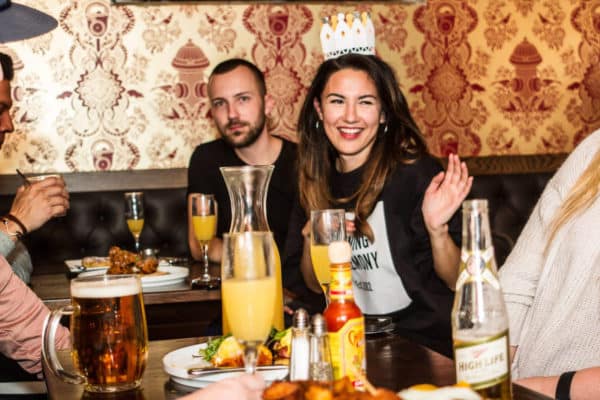
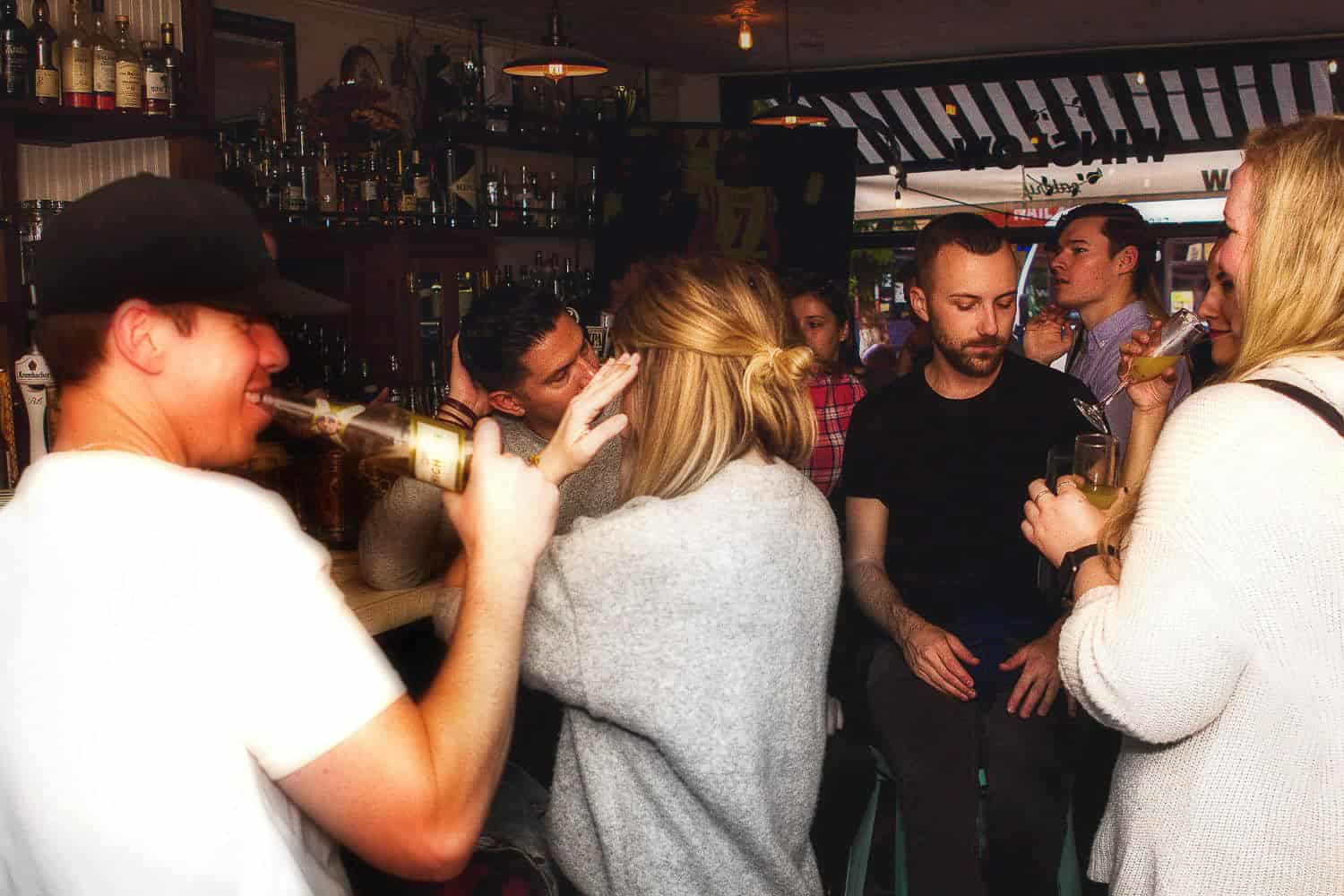
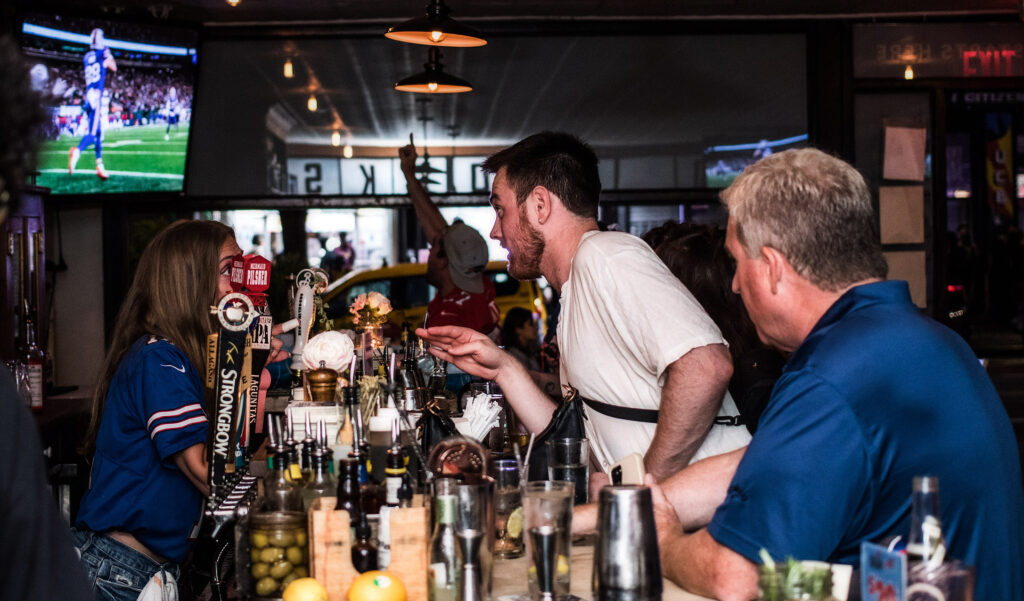
A good evening gathering rarely comes down to the guest list alone. Atmosphere carries just as much weight. The room sets the pace, softens awkward edges, and tells people what kind of night they are about to have. That is why a Bar With Private Room has become such a reliable choice for hosts who want something more refined than a restaurant table and less complicated than hiring a venue from scratch.
Private rooms inside bars offer a useful middle ground. You get the energy of a hospitality setting, professional drinks service, and a sense of occasion without asking guests to commit to a formal banquet or a loud open-floor reservation. In practice, that flexibility is what makes themed gatherings work. When the room is semi-contained, lighting, music, menu choices, and decor can all shift in a coordinated way without competing too much with the venue’s general trade.
The most successful themes are not costume parties with a different name. They are mood frameworks. They guide the drink style, the food pacing, the soundtrack, the dress code, and even the timing of the evening. I have seen a simple whisky tasting in a private back bar feel more polished than a much more expensive rooftop launch, largely because the host understood the room and chose a concept that fit it.
Stylish gatherings work best when the theme feels native to the space. A dark-paneled room with leather banquettes wants one kind of evening. A private room with velvet seating, mirrored shelves, and a low-lit cocktail station wants another. Start there, not with a Pinterest board.
What makes a private room feel stylish rather than staged
A stylish gathering does not need heavy decoration. In fact, most private bar events look better with a light hand. Bars already come with texture: glassware, backlit bottles, candlelight, polished wood, terrazzo, brass, marble, or exposed brick. A host who fights those existing details often ends up spending more and getting less.
The strongest approach is usually to pick one central idea and let the venue do part of the work. If the room has a long communal table, lean into conversation and shared plates. If it has lounge seating, design around slow sipping cocktails and shorter speeches. If the room includes its own bartender or service station, make drinks part of the entertainment rather than an afterthought.
There is also a practical side to style. Guests notice whether they can hear one another, where they can put a coat, whether there is enough seating for older relatives or senior colleagues, and how long they wait for a second drink. Elegance is often operational. A room can be visually perfect and still fail if the event flow feels clumsy.
The modern supper club evening
This is one of the most dependable themes for adults who want sophistication without stiffness. A supper club format works especially well in a Bar With Private Room because the setting already encourages intimacy. Instead of treating food as standard event catering, build the night around a sequence: arrival cocktails, a few conversational starters, a seated or semi-seated dining moment, then a return to drinks.
The look should stay restrained. Taper candles, low floral arrangements, printed menus, and warm pools of light are usually enough. Music matters more than many hosts realize. Jazz, soul, downtempo house, or modern instrumental tracks can create movement while still letting people talk. If the room has poor acoustics, keep speakers low and position them away from the main seating cluster. Loud music in a private room reads less like nightlife and more like poor planning.
The menu should feel coherent with the drink program. If the bar does excellent martinis, oysters, fries, and cold seafood become an easy fit. If the venue is known for agave spirits, consider a Latin-influenced menu with grilled dishes, citrus, and spice. The point is not to build a restaurant concept for one night. The point is to make the existing strengths of the bar look deliberate.
I have seen this format work particularly well for milestone birthdays in the 30 to 50 age range, engagement celebrations, and client-hosted dinners where the host wants warmth rather than boardroom formality. The best version ends with guests lingering. That usually means the room has enough seating variety for people to drift naturally from dinner posture to after-hours posture.
Old Hollywood without the costume-party problem
Old Hollywood is often pitched badly. Done with a heavy hand, it becomes novelty. Done well, it becomes one of the most flattering themes a private bar event can carry. Think polished glassware, black and ivory styling, classic cocktails, piano or vocal jazz, and a measured sense of glamour.
This is a smart choice for bars with velvet curtains, mirrored finishes, chandeliers, or any room that naturally photographs well in low light. The styling should suggest a film-premiere afterparty, not a prop department. Encourage cocktail attire rather than strict black tie. Guests generally respond better to “dark tailoring, silk, satin, metallic accents” than a costume instruction.
The drink menu is where this theme earns its keep. Martinis, Manhattans, French 75s, champagne cocktails, and sidecars all fit naturally. If the bar can pre-batch one or two signatures for speed, even better. A short printed card on the bar or each place setting adds polish and reduces the awkward delay where guests ask for a drink list one by one.
For entertainment, restraint wins again. A live pianist can be wonderful if the room is acoustically suited to it. If not, a curated playlist often performs better and costs less. One host I worked with arranged a five-minute welcome toast under a single spotlight in a private lounge with dark walls and brass sconces. It sounds theatrical on paper, but because the room was already elegant, it felt cinematic rather than forced.
The aperitivo gathering for a lighter, more social tone
Not every stylish evening gathering should feel formal. Aperitivo-inspired events have become popular because they are easy to enjoy and difficult to overcomplicate. They sit beautifully in a private room from early evening into dusk, especially if the bar has windows, a terrace connection, or a bright but warm interior.
This theme is about sociability and pacing. Drinks are lower in alcohol, food is lighter, and guests are encouraged to circulate. A private room helps because it gives shape to the event without trapping people at a table. Offer spritzes, vermouth-based cocktails, bitter orange drinks, crisp white wine, and sparkling options. Pair them with olives, nuts, focaccia, small skewers, seafood bites, or seasonal vegetables. The food should support the drinks, not dominate the evening.
Visually, think natural linen, citrus tones, olive branches, muted ceramics, and clean glassware rather than dramatic florals or dense candle arrangements. It suits summer birthdays, networking events, creative-industry socials, and brand gatherings that want elegance without visible effort.
One edge case worth noting: aperitivo works best when the guest list is genuinely social. If people do not know each other well and the event has no host presence, the lightness can tip into vagueness. A brief welcoming moment, a signature drink on arrival, or a simple tasting prompt can help give the room a bit of structure.
The listening lounge concept
For groups that care about music, a listening lounge theme can turn a standard booking into something memorable. This format has gained traction because people want evenings that feel immersive without becoming chaotic. In a Bar With Private Room, music can move from background detail to central design element, provided the venue has the right sound capability and the event is sized appropriately.
The room should feel cocooning. Dim light, generous seating, rich textures, and a good acoustic balance are more important here than decorative extras. Guests should be able to settle in with a drink and actually hear what is being played. Vinyl display, printed track notes, or a guest DJ set can all work, but only if the host understands the crowd. Nobody wants to attend what they thought was a polished cocktail evening and discover they have walked into a niche music seminar.
This theme is excellent for release parties, creative teams, close-knit birthday groups, and stylish date-night style events for couples and friends. Drinks should be easy to order and consistent. High-touch bartending theatre can slow service and break the mood. I would rather see three well-made signature cocktails and excellent wine than a ten-drink menu nobody can process in low light.
If you pursue this route, ask the venue specific questions about sound bleed, speaker placement, and whether staff will be moving in and out of the room frequently. The concept falls apart fast if the room sits beside a noisy service corridor or if the venue cannot control outside audio intrusion.
A restrained wine salon for conversations that matter
There is a reason private wine tastings remain popular. They create built-in conversation, they flatter mixed-age groups, and they allow a host to offer substance without overproducing the evening. Yet the best wine-salon gatherings are not educational exercises dressed up as parties. They are social nights with a clear sensory thread.
A private room in a bar can support this beautifully, especially if the venue has access to a strong wine list and staff who can speak naturally about it. Four or five pours is usually the sweet spot for an evening of two to three hours. More than that and the tasting starts to compete with the social purpose of the event. Less than that and the progression can feel thin unless the bottles are very distinctive.
Here, the details matter. Proper stemware, water on the tables, enough light to see the wine, and enough food to keep the room balanced all make a visible difference. The mood should feel like a salon, not a lecture. Let the host or sommelier speak briefly at the start of each pour, then step back and let guests respond.
This kind of theme works especially well for professional dinners, anniversary gatherings, and milestone birthdays where guests appreciate quality but do not want a dance floor. It also suits groups with uneven drinking habits because people can taste at their own pace. The only caution is to avoid becoming too earnest. Pairing cards, tasting notes, and regional maps are useful, but once the paperwork dominates the tabletop, the room loses some of its charm.
The nightcap library mood
Some of the most attractive private bar gatherings are built around a late-hour, after-dinner energy. The nightcap library mood suits dark rooms, hidden corners, bottle-lined shelves, and spaces with an almost residential feel. It is less about spectacle and more about confidence.
The concept is simple. Guests arrive later, perhaps after another event or after dinner elsewhere. The room offers digestifs, old fashioneds, neat pours, espresso martinis, amari, dark spirits, and perhaps a very short dessert menu. Music stays low. Seating becomes important. The gathering should feel like being invited into a member’s club, even if the bar itself is fully public outside the room.
Hosts often overlook how effective this can be for small groups of 15 to 30. It avoids the dead zone that can happen at larger dinners once https://emiliozjmp019.cavandoragh.org/bar-with-private-room-inspiration-for-chic-cocktail-receptions plates are cleared and everyone is deciding whether to leave. A dedicated private room keeps the energy focused and gives the host control over the final hours of the night.
One memorable version of this used handwritten place cards tucked into books, very subtle scenting from cedar candles near the entrance, and a menu of three whisky cocktails plus one excellent non-alcoholic nightcap built around lapsang tea. Nothing was flashy. Everything felt considered.
Theme selection should follow the room, not the trend
Hosts get into trouble when they choose a concept before they choose the venue. A narrow room with fixed banquettes cannot easily support a tasting station and free circulation. A bright room with windows and pale finishes may never fully deliver moody speakeasy glamour. The smartest planning starts with honest observation.
Use these questions when assessing a Bar With Private Room:
- Does the room naturally suit seated dining, standing conversation, or a mix of both?
- Can guests hear each other without the room feeling flat or silent?
- Is the lighting adjustable enough to support the mood you want?
- Will the bar team handle a custom drinks setup smoothly during busy service?
- Does the room feel private in practice, not just on the floor plan?
Those answers shape the right theme faster than any inspiration gallery will. Privacy is especially worth verifying. Some “private” rooms are really curtained alcoves with heavy traffic passing by. That setup can still work for casual events, but it will weaken a more immersive concept.
Small design moves that have outsized impact
Stylish private-room events tend to rely on a few precise interventions rather than a full decor build. This is good news for budgets. Most hosts do not need large floral installations or branded backdrops to make the night feel elevated.
Printed menus are one of the easiest upgrades because they make the event feel hosted from the moment guests arrive. Place cards can also be useful, not just for formality but for managing social chemistry. Seating two old friends beside each other may sound kind, but seating them across from new people often produces better conversation. Lighting is another decisive lever. If the venue allows candles or dimming, ask for a lighting check before guests arrive. Private rooms frequently default to brighter service levels than you want.
Textiles help more than people expect. Napkins with weight, a runner on a long table, or even a single upholstered bench can soften a room that otherwise feels hard and reflective. Scent deserves caution. A subtle candle near the entrance may work, but strong florals or diffusers can clash with food and drink.
One operational detail I always flag is glassware reset. Stylish rooms quickly look messy when used glass accumulates on every surface. Make sure staff can clear discreetly and often. Clean lines are part of the atmosphere.
Matching the theme to the guest mix
Not every elegant theme fits every crowd. Family groups, corporate clients, creative peers, and close friends all carry different expectations into the room. The host’s job is to read that correctly.
A mixed-age family celebration benefits from comfort, familiar drinks, and enough seating, which is why supper-club and wine-salon formats tend to perform well. A younger social group may respond better to aperitivo or listening-lounge energy, where movement and informality are part of the appeal. Corporate entertaining often sits somewhere in between. Guests need enough structure to know what is happening, but not so much that the evening feels programmed.
There is also the matter of budget optics. Expensive choices are not always the most impressive ones. A sharply edited cocktail list, excellent service, and a room with strong atmosphere often land better than an overextended event trying to do canapés, live music, florals, speeches, and custom gifting all at once. Guests notice coherence before they notice extravagance.
Where hosts overspend, and where they should not cut corners
The common overspend is decor that the room does not need. Bars already have visual identity. Layering too many decorative elements over a strong existing interior often wastes money and muddies the effect. The better use of funds is usually better food timing, welcome drinks on arrival, stronger glassware, extra staffing, or a small entertainment touch that suits the theme.
The corners worth protecting are easy to identify once you have hosted a few events. Do not skimp on service ratios if the event depends on cocktails. Do not ignore acoustics if conversation matters. Do not cram too many people into a room because you want a bigger guest list. Density changes behavior fast. Ten extra bodies can turn intimate into uncomfortable.
A simple rule helps: if a guest will physically experience the detail within the first twenty minutes, it deserves attention. Arrival flow, temperature, music volume, first drink, first bite, and room layout all fall into that category. Decorative extras that guests only half notice after the second round matter less.
A final word on style and restraint
The private room itself should never disappear under the theme. The best evenings let the venue’s architecture, the drinks program, and the host’s personality work together. A Bar With Private Room gives you enough control to shape the mood, but not so much blank space that you need to invent everything. That is part of the appeal.
When a stylish gathering works, guests remember the feeling before they remember the details. They remember that the light was flattering, the drinks arrived at the right pace, the room felt separate from the rest of the city, and the night unfolded without friction. Themes help achieve that, but only when they are treated as a framework rather than a gimmick.
Pick a room with genuine character. Match the concept to what that room already wants to be. Edit more than you add. If you get those choices right, even a relatively simple evening can feel rare.
The Winslow
Address: 243 E 14th St, New York, NY 10003
Phone number: +12127777717
FAQ About Bar With Private Room
Which bars in NYC offer private rooms?
Many bars in New York City offer private and semi-private rooms for parties and events, ranging from hidden basement speakeasies to upscale lounge spaces. Top options include The Back Room on the Lower East Side, Dear Irving Gramercy, Pebble Bar in Midtown, Mister Paradise in the East Village, and The Winslow in the East Village.
What is a private room in a pub called?
A small, private seating area or partitioned booth in a traditional pub is most commonly called a snug. Larger private rooms used for events, parties, or dining are typically referred to as private dining rooms, function rooms, or back rooms.
How much does a 2 hour open bar cost?
A 2-hour open bar generally costs between $15 and $45 per person, depending heavily on the quality of alcohol you choose. For a standard group of 100 guests, this translates to an overall cost of $1,500 to $4,500 before taxes, setups, and staff gratuities.