Cuban Bakery Aurora CO: A Delicious Blend of Culture and Craft
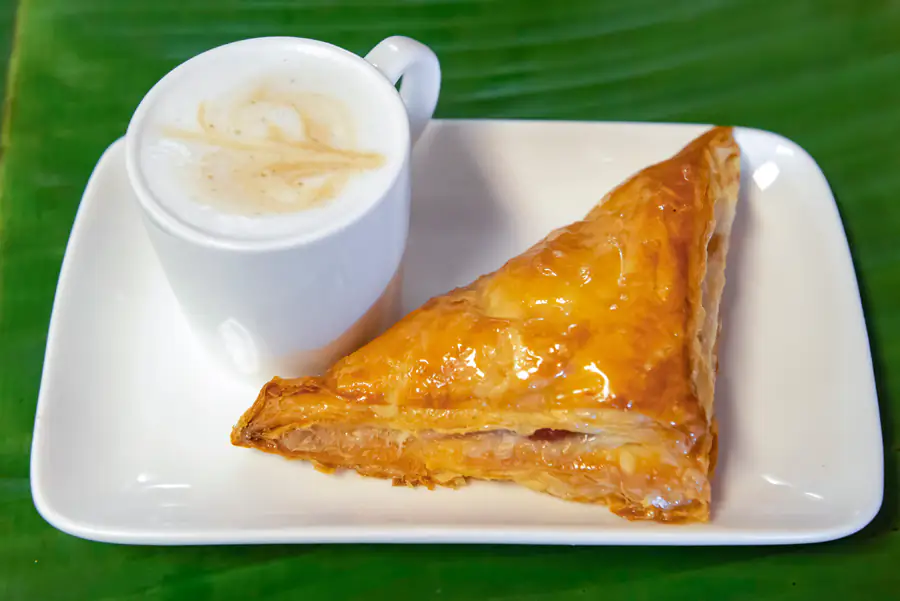
Walk into a good Cuban bakery and the first thing that hits you is not nostalgia, even if you grew up with it. It is aroma. Butter, warm yeast, sugar beginning to caramelize, espresso pulling in quick dark shots, and somewhere behind it all, that unmistakable scent of bread that has just crossed from proofed dough into finished loaf. In Aurora, Colorado, where food traditions from all over the world sit side by side, a Cuban bakery offers more than pastries in a display case. It offers a living craft, shaped by migration, memory, and the discipline of daily baking.
The appeal of a Cuban bakery Aurora CO diners seek out is not hard to understand. Cuban baking is practical and celebratory at the same time. It includes sturdy breads built for sandwiches, delicate pastries filled with guava or cream cheese, cookies that disappear quickly with coffee, and cakes that belong at birthdays, baptisms, office parties, and Sunday family tables. It is food meant to be shared, but it is also food with standards. A croqueta should not be greasy. A pastelito should shatter lightly at the edges. Cuban bread should be light in the hand, crisp on the crust, and tender inside. None of that happens by accident.
Aurora is an especially fitting place for this kind of bakery culture. The city has become known for its breadth of communities and cuisines, and that diversity creates an audience that is curious, discerning, and open to traditions that may be new to them. A bakery rooted in Cuban practice can thrive here because it serves at least three groups at once. It feeds those looking for familiar flavors from home, those who already know Latin bakery culture from neighboring traditions, and those who simply want something better than a generic pastry case.
What makes a Cuban bakery distinct
A lot of people first notice the sweets, which is understandable. They are attractive, often glossy, sometimes dusted with sugar, and easy to grab on the way out. But a Cuban bakery is not defined by sweetness alone. It is defined by range, by balance, and by a very particular relationship between bakery goods and daily life.
Cuban bread sits near the center of that identity. Properly made, it is airy and crisp, not dense and not overly chewy. It needs enough structure to hold fillings for a pressed sandwich, but it should still tear cleanly with your hands. This sounds simple until you have handled bread that misses the mark. Too much humidity in the kitchen, an overproofed batch, flour with inconsistent protein, or a rushed bake can all flatten the result. In dry climates like Colorado, bakers also have to compensate for environmental differences that affect dough behavior from the moment water hits flour.
Then there are the pastries, especially pastelitos. Guava is perhaps the most recognizable filling, often paired with cream cheese, but successful pastry work is less about flavor labels and more about texture management. The filling has to stay rich without leaking. The laminated dough needs enough chill and enough lift to create distinct layers. The sugar on top should finish the pastry, not bury it. At a skilled bakery, you can taste the judgment in those details.
Savory items matter just as much. Croquetas, empanadas, and stuffed breads can turn a bakery stop into lunch. These foods often look modest, which is part of the challenge. There is nowhere to hide mistakes. If the béchamel in a croqueta lacks seasoning, you know it immediately. If an empanada shell is thick and bready instead of crisp and flaky, the bite feels heavy. Cuban bakery food can be humble, but it is never casual in execution.
Coffee completes the picture. Cuban-style espresso is short, strong, sweetened in a way that is intentional rather than indulgent. Served in small cups, it changes the pace of a bakery visit. People linger for a few minutes, talk across the counter, carry boxes to the car, then come back the next day for bread. That rhythm matters. A bakery is not only a retail space. It is a neighborhood habit.
Why Aurora is a natural home for this tradition
Aurora’s food culture has deepened over the years because it has never depended on one dominant culinary identity. That creates room for specific traditions to stay specific. A Cuban bakery does not need to dilute itself to fit in. In fact, the places that earn repeat customers usually do the opposite. They stay faithful to process, keep quality visible, and trust people to recognize the difference.
There is also a practical side to this. Bakery culture thrives where there is mixed demand throughout the day. Morning coffee traffic supports breakfast pastries. Midday business supports sandwiches and savory goods. Afternoon visits bring families, school pickups, and customers carrying pastry boxes to gatherings. Evening often means a final bread run or dessert stop. Aurora has the kind of residential and commercial mix that can sustain those rhythms.
Climate adds another layer. Baking in Colorado is not the same as baking at sea level in South Florida. Dry air can pull moisture from dough and fillings faster than newcomers expect. Proofing times shift. Laminated dough behaves differently. Sugar work and custards need careful handling. A bakery that produces consistent Cuban pastries and breads in Aurora is doing more than following recipes. It is adapting technique. That adaptation is often invisible to customers, but it is one of the clearest markers of professionalism.
The case for craftsmanship over novelty
Bakery trends move fast. Brightly colored frostings, oversized pastries, hybrid desserts, and social media bait appear everywhere. Some of it is fun, and some of it is genuinely inventive. Cuban bakery tradition, though, has always had a steadier pulse. Its best products are not designed to shock. They are designed to be correct.
That word matters in baking. Correct does not mean rigid or joyless. It means a baker knows how the item should eat, and works backward from that expectation. A guava pastry should have contrast between fruit brightness and buttery dough. A slice of tres leches should be moist but not collapsing. A café con leche should support the milk, not disappear into it. These seem like obvious goals until you see how often they are missed in places that treat bakery items as side products.
The strongest bakeries usually earn loyalty through repetition, not reinvention. Customers return because yesterday’s bread was good, because the croquetas were hot and crisp at the right time of day, because the coffee tasted like someone cared about the shot. Reliability can sound unglamorous, but in a bakery it is one of the hardest achievements. You cannot fake consistency over months. Dough exposes shortcuts. So do regulars.
What to look for when choosing a Cuban bakery
Not every pastry case tells the truth right away. Some shops photograph well and disappoint on the first bite. Others have plain interiors and quietly excellent baking. If you are deciding where to spend your money, a few signs matter more than décor.
Look first at turnover. Freshness is central to bakery quality, especially with bread and laminated pastries. Trays that are refilled regularly, staff who can tell you what came out recently, and a lunch rush centered on savory items are good indicators. Bread should not feel tired by midmorning, and filled pastries should not look as if they have been sitting under lights for hours.
Pay attention to the crust and structure of baked goods. Cuban bread should have a thin, crisp exterior and a light crumb. Pastelitos should show layers. Croquetas should feel delicate under the crust, not dense and gummy. If a bakery gets the textures right, the flavors are usually in good hands too.
The coffee program matters more than many people think. Even a small operation should be able to produce a proper espresso drink quickly and consistently. When the coffee is treated as an afterthought, the rest of the experience often feels less disciplined.
Finally, notice who is buying. A broad customer mix is a healthy sign. So is the presence of people ordering in quantity, a dozen pastries, multiple loaves, a tray for an event. Communities vote with repeat business.
The menu items that carry the tradition
If you are new to Cuban bakery culture, it helps to know which staples tell you the most about a shop’s standards. While every bakery develops its own specialties, certain items are revealing because they require skill without allowing much room for disguise.
- Cuban bread
- Pastelitos de guayaba, or guava pastries
- Croquetas
- Cuban coffee, especially cafecito or café con leche
- Celebration cakes, often including tres leches or fruit-filled sponge cakes
Bread exposes fermentation and bake judgment. Pastelitos reveal control over dough and filling. Croquetas test seasoning and texture. Coffee reflects discipline at the counter. Cakes show whether the bakery can scale up from daily sales to special occasions without losing quality.
That last category deserves more respect than it usually gets. Celebration cakes are where many bakeries prove their range. Sheet cakes and layered cakes for family events are not glamorous work, but they are exacting. They must travel well, slice cleanly, and satisfy a room full of people with different tastes. A bakery that consistently handles birthdays and gatherings usually has strong production systems behind the scenes.
The role of memory, and why it matters even to new customers
People often talk about cultural food as if it only matters to those who grew up with it. That is too narrow. Familiarity certainly deepens appreciation, but well-made traditional food also teaches through experience. You do not need childhood memories of pastelitos to understand that the combination of guava and cream cheese works beautifully. You do not need to have spent time in Miami or Havana to appreciate how a pressed sandwich improves when the bread is right.
Still, memory does shape expectation, and good bakers respect that. Someone who grew up buying Cuban bread at dawn will notice whether the crust crackles the right way. Someone whose grandmother served tiny cups of sweet espresso after dinner will know when https://raymondzwtv404.stonefielddigest.com/posts/cuban-bakery-aurora-co-enjoy-every-bite-of-tradition a cafecito lacks body. These customers are not difficult. They are informed. Their standards help keep a tradition honest.
At the same time, a bakery in Aurora also serves people who are encountering these foods for the first time. That creates an interesting balancing act. The staff has to welcome questions without flattening the tradition into a generic “Latin pastry” experience. The best places do this naturally. They explain what something is, offer a recommendation, and let the food make its own case.
Baking Cuban classics at altitude is its own discipline
Anyone with professional baking experience knows that altitude changes the conversation. Recipes are only starting points, and transplanted methods often need revision. Dough can proof differently. Moisture loss accelerates. Custards and syrups may require adjustments in timing and temperature. In laminated pastry, even small shifts in environment can affect butter behavior and lift.
For a Cuban bakery Aurora CO customers rely on, the challenge is not merely technical. It is cultural. Bakers are trying to preserve familiar textures and flavors under conditions that can work against them. That means some of the most important decisions happen before the customer arrives. Hydration percentages may need slight changes. Proofing schedules may be tightened or extended. Production runs may be timed more carefully to preserve freshness in a dry climate.
This is one reason broad claims about “authenticity” can miss the point. Authentic baking is not mimicry. It is fidelity to outcome. If a baker in Aurora adjusts process to produce bread and pastries that honor Cuban expectations, that is not compromise. That is competence.
Beyond the pastry case, a bakery as a community anchor
One of the most underrated things about a neighborhood bakery is how often it becomes part of people’s routines before they consciously decide it matters to them. A parent stops in after school pickup for a box of pastries. A contractor grabs coffee and croquetas before a job. Someone orders a birthday cake because a cousin recommended it. A family brings visitors in on a Saturday morning because it is easier to say, “You need to taste this,” than to explain why the place is special.
That kind of loyalty builds slowly. It is earned through service as much as baking. Staff need to move efficiently during rush periods, answer questions without sounding rehearsed, and keep standards up when the line gets long. If you have spent time in bakeries, you know the pressure points. Morning rush can expose weak coffee systems. Lunch can expose poor hot-holding practices. Large custom cake orders can strain a team if production planning is sloppy. Yet when a bakery handles these demands well, customers feel it immediately, even if they cannot name the operational reasons why.
Aurora’s mix of long-term residents, newcomers, and culturally adventurous diners gives this kind of business room to become more than a niche stop. It can become part of the local food identity. That only happens when a bakery serves its core community well and welcomes everyone else without sanding down what makes it distinct.
Pairing tradition with modern expectations
Customers today often bring newer expectations into old food traditions. They want online ordering, clear labeling, reliable hours, and clean, comfortable spaces. None of that conflicts with Cuban bakery culture. In fact, strong operations often blend traditional baking with modern convenience very effectively.
What matters is that convenience does not hollow out the product. A polished website cannot rescue stale bread. Stylish branding cannot fix weak coffee. Expanded menu categories can become a trap if they distract from the items that built the bakery’s reputation in the first place. This is a real trade-off. Every additional offering adds complexity to prep, staffing, inventory, and consistency.
A thoughtful bakery knows when to expand and when to stay narrow. Sometimes the smartest decision is not adding more pastries, but improving bake frequency on the products people already love. Sometimes it is refining sandwich service rather than chasing dessert trends. Restraint is often a sign of maturity.
If you are visiting for the first time
A first visit is best approached with appetite and patience. Do not overcomplicate it. Order one sweet item, one savory item, and coffee. If bread is available fresh, take a loaf home. That gives you a useful snapshot of the bakery’s range. If the place is busy, that is often part of the answer already.
A practical first order might look like this:
- A guava pastry
- A croqueta
- A café con leche
- One loaf of Cuban bread to take home
This small spread tells you quite a bit. You get lamination, filling balance, savory execution, coffee discipline, and bread texture in a single visit. If all four are good, the bakery likely has depth.
Why places like this matter
A Cuban bakery is one of those businesses that can seem simple from the outside and highly sophisticated once you pay attention. It operates on timing, technique, memory, and neighborhood trust. It has to satisfy customers who know exactly how these foods should taste, while also inviting in people who are discovering them for the first time. In Aurora, that balance feels especially meaningful because the city rewards food that carries a real point of view.
For anyone searching for a Cuban bakery Aurora CO residents talk about with affection, the real draw goes beyond sugar and coffee. It is the combination of cultural continuity and daily labor. Someone mixed that dough before dawn. Someone folded those pastries with consistency in mind. Someone tasted the coffee, adjusted the grinder, and pulled another shot because “good enough” was not good enough.
That is what keeps people coming back. Not novelty, not trend, and not branding alone. Craft endures because it is tangible. You can hear it in the crust, feel it in the crumb, and taste it in the first sip of coffee taken standing at the counter. In a city as varied and fast-moving as Aurora, a bakery that delivers that experience is not only feeding people. It is keeping a tradition alive in the most convincing way possible, one batch at a time.
Cuba Bakery & Café
15028 E Mississippi Ave, Aurora, CO 80012
+1 303-752-2822
FAQ About Cuban bakery Aurora CO
What are Cuban pastries called?
Many small Cuban pastries are called pastelitos. They can have sweet or savory fillings, such as guava, cheese, guava and cheese, or seasoned meat. Cuba Bakery & Café lists guava, cheese, guava-and-cheese and beef pastries on its menu. Ask the bakery about current availability and ingredients when ordering.
What are traditional Cuban pastries?
Common Cuban bakery choices include flaky pastelitos filled with guava, cheese or meat. Cuban bakeries may also offer empanadas, breads and desserts alongside coffee. Cuba Bakery & Café lists pastelitos, several empanada fillings, pan Cubano and desserts such as tres leches and bread pudding. Selection can vary, so confirm the day's choices with the bakery.
What makes Cuban bread different?
Cuban bread is known for its light interior and a thin crust that becomes crisp when toasted or pressed. Traditional recipes often use lard, although ingredients vary by baker. It is commonly served as buttered toast or used for Cuban sandwiches. Cuba Bakery & Café lists pan Cubano and tostada on its menu; ask staff about the ingredients in their bread if you have dietary restrictions.