Drunken Noodle Near Me: How Sauce, Heat, and Texture Create Perfection
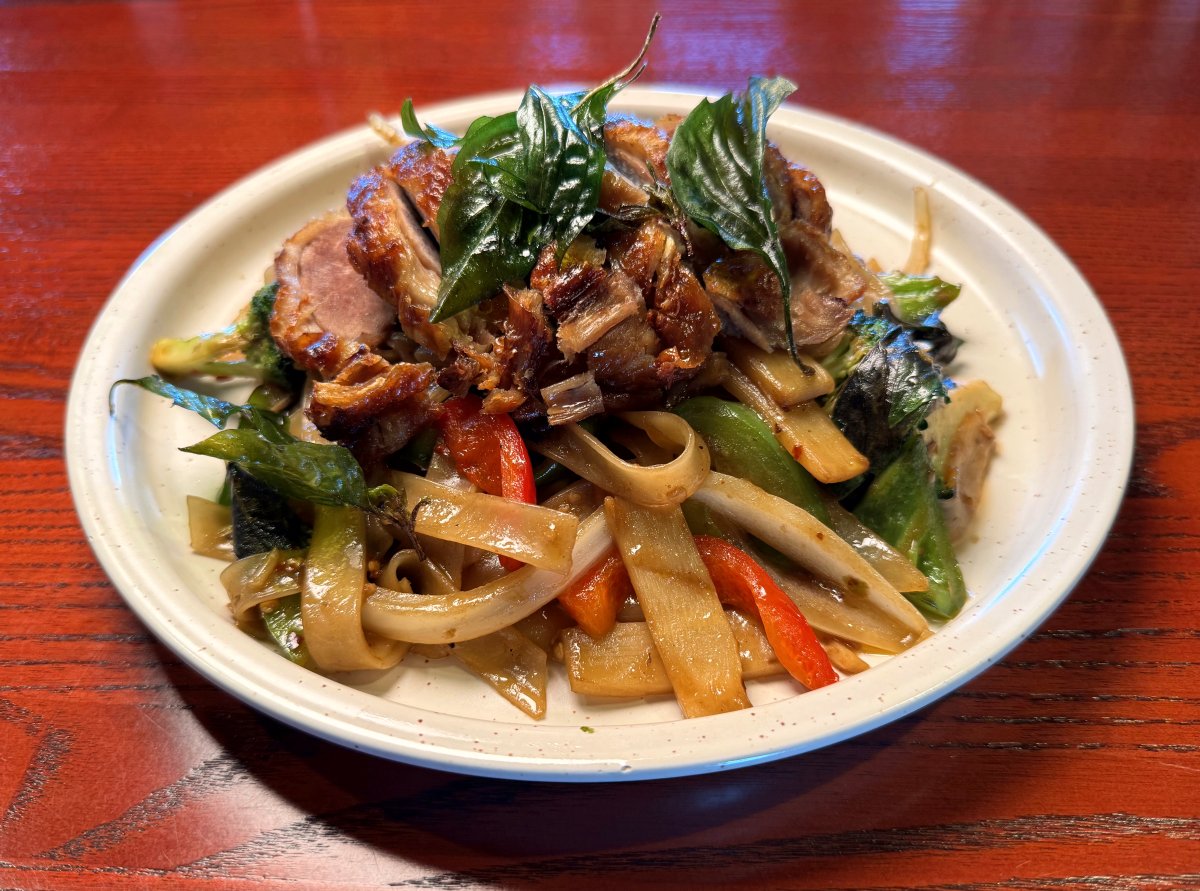
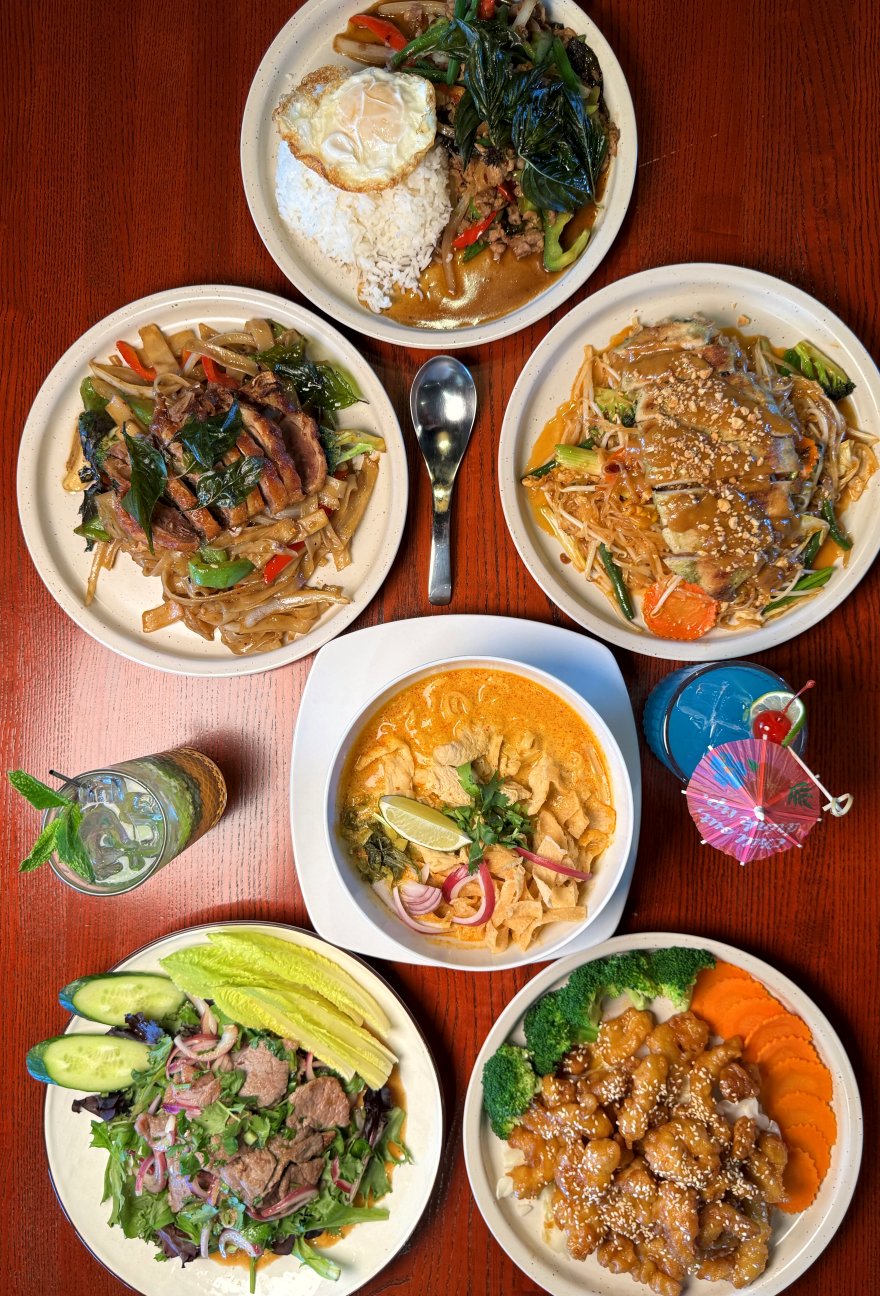
A great plate of Drunken Noodle does not happen by accident. It comes from balance, restraint, and timing. Anyone who has ever searched for Drunken Noodles Near Me after a long day already knows the craving is https://emiliozjmp019.cavandoragh.org/drunken-noodles-near-me-best-spots-for-fast-flavorful-meals specific. You are not just looking for noodles. You want wide rice noodles with chew and char, a sauce that clings instead of puddles, heat that wakes up the dish without flattening it, and basil that lands fresh at the finish. When all of that lines up, the result feels almost unfairly satisfying.
Drunken Noodle, often associated with Thai pad kee mao, sits in a narrow lane between comfort food and high-skill stir-fry. It is casual enough for takeout, but technically demanding enough that many kitchens miss the mark. The difference between average and excellent usually comes down to three things: sauce, heat, and texture. If one is off, the whole plate tilts.
I have eaten versions from busy neighborhood spots, polished city restaurants, food courts, and tiny family-run kitchens where the wok station seems to run at full speed for six straight hours. The best versions share a few traits. The noodles are glossy, not greasy. The sauce tastes layered, not merely salty. The chilies announce themselves quickly, then leave room for garlic, basil, and the savory depth that should define the dish. Most important, every bite feels alive.
Why Drunken Noodle inspires strong opinions
People tend to be forgiving about some takeout dishes. Fried rice can be a little dry and still pass. Curry can lean sweet or salty and still comfort. Drunken Noodle is less forgiving. Because the ingredient list is relatively straightforward, flaws stand out fast.
If the noodles are overcooked, the dish turns heavy and sticky. If the wok is not hot enough, the vegetables steam and the sauce tastes flat. If the cook leans too hard on sugar, the whole plate starts tasting like sweet soy candy. If the basil goes in too early, it disappears. If it goes in too late and the pan has already cooled, it never blooms.
That sensitivity is part of the appeal. When you find a place that gets it right, you remember it. It becomes the standard against which every later search for Drunken Noodles Near Me is judged. You remember the aroma when the container opens. You remember whether the noodles stayed springy twenty minutes into the meal. You remember whether the spice level had shape, or whether it was just blunt force heat.
Sauce is the architecture of the dish
People often describe Drunken Noodle as spicy noodles with basil, but that sells the sauce short. The sauce is not a background player. It builds the framework that supports everything else.
At its best, the sauce carries salty, savory, slightly sweet, and lightly caramelized notes. Depending on the kitchen, that usually comes from some mix of soy sauce, dark soy, oyster sauce, fish sauce, and a small amount of sugar. The proportions matter more than the ingredient list itself. Dark soy brings color and a deeper, almost molasses-like roundness. Fish sauce sharpens the savory edges and adds complexity. Oyster sauce contributes body and a subtle sweetness. Sugar, used carefully, ties the other notes together rather than announcing itself.
A common mistake is trying to make the sauce taste bold before it hits the wok. Strong raw sauce can become overpowering once reduced. In a good kitchen, the sauce starts balanced but somewhat restrained. Heat and evaporation intensify it during stir-frying. That is why the final dish tastes concentrated without becoming muddy.
Another mark of a strong Drunken Noodle is cling. The sauce should coat the noodles in a thin, glossy layer. It should not collect at the bottom of the plate in a brown pool. Too much liquid usually means the pan was crowded, the heat was low, or the vegetables released more moisture than the cook accounted for. That extra liquid dilutes the flavor and ruins the texture at the same time.
There is also the issue of smoke and char, which people sometimes mistake for sauce flavor. A scorching wok creates browned edges and a faintly smoky character that deepens the sauce. Without that heat, even a properly seasoned sauce can taste one-dimensional. The best versions taste as though the noodles and sauce became one thing in the pan, not as though the sauce was poured over them afterward.
Heat should sharpen, not punish
The name invites expectations. People assume Drunken Noodle must be wildly spicy, but that is not always the point. Heat matters, yes, yet its role is often misunderstood.
A well-made Drunken Noodle uses chili to create momentum. The first bite should carry warmth and aroma, then build into a stronger, more lingering fire. That progression makes the dish exciting. It keeps you going back. Heat without progression, the kind that slams the palate immediately and never changes, tends to erase the more interesting details.
Fresh chilies usually deliver the brightest result. They bring fruitiness along with burn, especially when sliced and tossed into a ripping-hot wok with garlic. Chili paste or dried chili can work too, but they create a different profile. Dried chili leans smokier and sometimes harsher. Paste can deepen the dish, though it can also muddy the fresh character if overused.
Restaurants that handle spice well know how to scale it without wrecking the balance. That is harder than it sounds. Increasing heat is not simply a matter of doubling the chilies. Extra chili adds moisture, bitterness, and aroma, all of which change the dish. A thoughtful kitchen adjusts with a light hand.
When ordering, it helps to know what “medium” means in that specific place. In one restaurant, medium may be family-friendly and gentle. In another, medium may leave your forehead damp by the fourth bite. If you are trying a new spot after searching Drunken Noodles Near Me, it is worth asking how they define spice levels. A place that can answer clearly usually understands its own cooking.
Texture is where good intentions go to die
Texture is the hardest part to fake. A dish can smell great and still disappoint if the noodles are clumped, torn, or soggy. For Drunken Noodle, texture is not one thing. It is a conversation between the noodles, vegetables, protein, and basil.
Wide rice noodles should have elasticity and a bit of resistance. They should bend and fold, not slump like overcooked pasta. Fresh rice noodles, when handled properly, offer a supple chew that dried noodles rarely match. But fresh noodles are delicate. They can tear in the wok if they are too cold, too wet, or stirred too aggressively. Dried noodles can produce a decent result, but only if they are soaked or cooked with precision. A minute too long and the dish loses its structure.
Then come the vegetables. Bell peppers, onions, baby corn, green beans, or broccoli often appear in different combinations depending on the restaurant. They should stay vivid and slightly crisp. Soft vegetables bleed water into the pan and drag the dish toward mush. Onion should sweeten while keeping some bite. Peppers should blister at the edges rather than collapse.
Protein affects texture more than most diners realize. Chicken that is too lean and unprotected dries out in seconds in a hot wok. Beef can turn tough if sliced too thick. Shrimp can go rubbery in a blink. Tofu is especially tricky because it needs enough surface firmness to survive tossing, yet enough interior tenderness to absorb flavor. Some of the best Drunken Noodle plates I have eaten used simple chicken, not because chicken is inherently superior, but because the kitchen knew exactly how to cook it for that dish.
The basil is the final textural cue. Thai basil, with its slight anise note and sturdier leaves, holds up better than Italian basil in high heat. It should wilt into the noodles, releasing aroma while still feeling present. When basil vanishes entirely, the dish loses its lift.
What separates a great restaurant version from a mediocre one
If you eat Drunken Noodle often, patterns emerge. Good restaurants tend to get the invisible details right. They manage prep, pan temperature, and timing with discipline. Poorer versions usually show signs of compromise.
Here are the signals I pay attention to when trying a new place:
- The noodles arrive glossy and separated, not fused into a single block.
- The aroma includes basil and garlic immediately, not only soy and oil.
- The vegetables keep color and bite.
- The spice level feels integrated into the sauce, not scattered on top.
- The bottom of the container is not flooded with thin liquid.
Those details tell you a lot before you are halfway through the meal. A restaurant may have beautiful branding, an impressive menu, and fast delivery times, but Drunken Noodle exposes the kitchen fast. It is a dish that rewards honest technique.
The takeout problem, and why some noodles survive the trip
Drunken Noodle is often ordered for delivery, which introduces a separate challenge. The moment the dish leaves the wok, steam starts working against it. In a closed takeout container, steam condenses and softens the noodles. Sauce redistributes. Vegetables continue to cook from residual heat. A dish that was perfect at pickup can slip to merely good by the time you get home.
Some restaurants account for this by holding back a little sauce or cooking the noodles slightly firmer. That is smart, not stingy. A dish designed for dine-in and a dish designed for delivery are not identical. The best takeout versions seem almost underdone when packed, then settle into ideal texture ten or fifteen minutes later.
Container choice matters too. Shallow, vented packaging preserves texture better than deep tubs that trap moisture. If you are picking up rather than dining in, keeping the bag flat on the ride home helps more than people think. Tilted containers cause sauce pooling, and pooled sauce means one end of the dish turns soggy while the other dries out.
If I know I will not eat immediately, I would rather order a version with sturdy vegetables and a moderate amount of sauce than one that arrives extra saucy. More sauce rarely improves a delayed meal. It usually just accelerates the decline.
Why “near me” can be misleading, and how to judge a menu before ordering
Location-based search is useful, but “near me” is not the same as “worth ordering.” Many apps reward convenience, sponsored placement, or broad popularity rather than dish-specific quality. A restaurant may be excellent at curry or noodle soup and still turn out a forgettable Drunken Noodle.
You can often spot clues in the menu description. If the dish mentions Thai basil, chili, garlic, and wide rice noodles clearly, that is a good sign. If it reads like a generic spicy noodle entry with no real detail, expectations should lower a bit. Photos help, though they can also mislead. Look for visible basil, broad noodles with distinct edges, and vegetables that still look crisp. A dark, glossy tangle with no definition often signals an overly sweet, over-sauced version.
Reviews become more useful when you ignore star averages and search for specific language. If several people mention smoky wok flavor, balanced spice, or noodles that stayed chewy during delivery, pay attention. If complaints repeatedly mention grease, excessive sweetness, or mushy noodles, believe them. Those are not random preferences. They point to technical issues.
The smartest way to use a Drunken Noodles Near Me search is to treat it as a starting map, not a final answer. Distance matters, especially for texture-sensitive dishes, but execution matters more.
Common variations, and when they work
Not every Drunken Noodle has to follow one rigid formula. Variation is part of restaurant cooking. The issue is whether the changes support the dish or blur it.
Seafood versions can be excellent, especially with shrimp or squid, because the briny sweetness pairs naturally with basil and chili. The risk is overcooking. Beef versions bring richness, but they benefit from a lighter hand with the sauce so the whole dish does not turn heavy. Tofu versions can be superb when the tofu is well-seared before joining the noodles. Otherwise, it sheds water and softens the pan too much.
Some kitchens add more vegetables than others. That can be a strength, especially when the vegetables are chosen for texture and not just bulk. Long beans, onion, and pepper make sense because they keep some firmness under heat. Soft vegetables can dilute the dish’s identity.
Extra-wide noodles often create the most dramatic eating experience, but they require a skilled hand. Slightly narrower rice noodles are easier to manage and can still produce a strong plate. I have had excellent Drunken Noodle made with noodles that were not textbook perfect in width, because the kitchen nailed sauce absorption and wok timing.
If you are cooking it at home, the pan is your biggest limitation
Home cooks can make a very good Drunken Noodle, but they should be realistic about the constraints. Most home stoves do not produce restaurant-level wok heat. That changes how the dish should be approached.
Trying to cook a giant batch in one pan is the fastest way to steam the noodles. Smaller batches work better. So does prepping every ingredient before the pan turns on, because the actual cooking moves quickly. The noodles need attention, but not fussing. Too much stirring breaks them. Too little movement lets them stick and scorch unevenly.
If you want a better home result, focus on these priorities:
- Keep the batch small enough that the pan stays hot.
- Use noodles that are supple before they hit the pan, not cold and stiff.
- Mix the sauce ahead so it goes in fast and evenly.
- Add basil at the very end, just long enough to release aroma.
- Serve immediately, because the texture fades quickly.
Even with those habits, a home version may lack the smoky edge of a powerful wok burner. That is fine. A good homemade Drunken Noodle can still deliver the essential balance of chew, spice, and basil if you respect the sequence.
The role of sweetness, and why many versions overdo it
Sweetness is one of the most abused elements in takeout noodle dishes. A little sugar can round the saltiness and help the sauce glaze the noodles. Too much sugar turns the dish sticky, blunt, and oddly tiring after a few bites.
This happens for predictable reasons. Sweetness reads as immediate flavor. It also masks weak wok character and low-grade depth. If the sauce lacks complexity, sugar can make it seem fuller for the first two bites. By the sixth bite, the trick is exposed.
A balanced Drunken Noodle should not taste like dessert soy sauce. You should notice savory depth first, basil and garlic next, then a quiet sweetness underneath. When sweetness dominates, heat starts feeling less precise, and the noodles lose their savory pull. That is usually the point where diners start reaching for lime, extra chili, or fish sauce packets to repair the plate.
What perfection really looks like
Perfection in Drunken Noodle is not about making the biggest portion or the hottest plate. It is about coherence. Every element should support the others. The noodles should carry the sauce without drowning in it. The chili should energize the palate without crushing it. The basil should lift the richer notes. The vegetables should keep the dish from becoming monotone. The protein should feel integrated, not tacked on.
The best plates also have a certain confidence. Nothing feels excessive. There is enough sauce, enough spice, enough char. The cook knows where to stop. That restraint is often what separates a memorable restaurant from one that is merely competent.
When people hunt for Drunken Noodles Near Me, they are often looking for convenience, but what they really want is reliability. They want to know the dish will arrive with character. They want the noodles to still have life. They want sauce that tastes built, not bottled. They want heat that makes sense.
Drunken Noodle rewards that level of care. It is a dish with enough force to satisfy a craving and enough nuance to expose shortcuts instantly. Sauce gives it depth. Heat gives it drive. Texture gives it soul. When those three come together, the plate stops being just another noodle order and becomes the kind of meal you remember the next time the craving hits.
Nakhon Luang Thai Kitchen
Address: 805 Village Center Dr, Colorado Springs, CO 80919
Phone number: +17195315175
FAQ About Drunken Noodles Near Me
What makes it drunken noodles?
Drunken noodles, or Pad Kee Mao, get their name from the Thai word khi mao (meaning "drunkard"). They contain no alcohol. The name comes from the idea that the dish is a popular late-night meal to cure a hangover or a great food to eat with a cold beer.
What is the difference between pad see ew and drunken noodles?
While both Pad See Ew and Drunken Noodles use the same wide rice noodles, Pad See Ew is a mild, sweet-savory dish made with dark soy sauce and Chinese broccoli, whereas Drunken Noodles (Pad Kee Mao) are fiery, garlicky, and herbaceous with fresh chilies and Thai basil.
What are traditional drunken noodles?
Traditional drunken noodles, known as Pad Kee Mao in Thai, are a fiery, savory street food stir-fry made with wide flat rice noodles, fresh garlic, lots of hot chilies, meat or tofu, and fragrant holy basil. Despite the name, they contain no alcohol; the dish is traditionally eaten late at night or as a hangover cure because the intense spice helps clear the head.