How a Pie Shop Creates Warm Moments for Every Guest
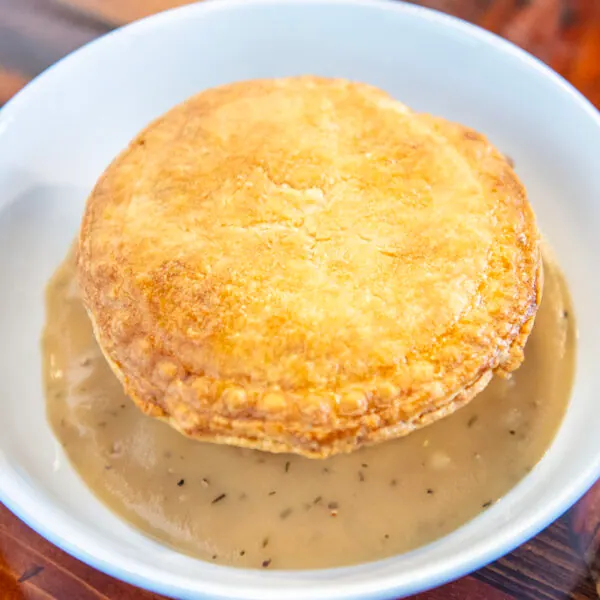
A good pie shop sells food. A great one sells a feeling people remember long after the last crumb is gone.
That distinction matters more than many owners realize. Guests do not usually walk into a pie shop with a purely transactional mindset. They may say they want lunch, dessert, or a take-home pie for dinner. Often they want something less visible and more important. They want relief after a hard morning. They want a place to gather a family member who arrived early for an appointment nearby. They want to bring a box of hand pies to the office and look thoughtful without overcomplicating the gesture. They want comfort that feels specific, not generic.
Warm moments are built from details that look small on paper. A server remembers that one regular likes coffee topped off before the slice arrives. A front case is lit well enough that a nervous first-time guest can choose with confidence. The smell from the oven reaches the door at just the right time. A whole pie is boxed securely so it survives the ride home. Someone behind the counter says, “The peach is especially good today,” and means it.
None of that happens by accident. In a well-run pie shop, warmth is designed, practiced, and protected.
Warmth starts before anyone tastes the pie
Most guests decide how they feel about a place before the first bite. That judgment begins outside. If the windows are clean, the sign is clear, and the door opens easily, the shop already feels cared for. If there is a bench or a planter or even a chalkboard with a handwritten note about what just came out of the oven, the business sends a simple message: a human being is paying attention here.
Inside, the first ten seconds do a surprising amount of work. People scan the room fast. They notice whether the counter feels chaotic or calm. They notice whether staff make eye contact. They notice whether the pastry case looks abundant or picked over. A pie shop does not need luxury finishes to create a strong impression, but it does need coherence. The room should tell one story.
In practice, that usually means warmth through texture and light rather than decoration for its own sake. Wood, tile, soft paint colors, clear labeling, and enough space to queue without crowding can make a modest room feel generous. Even the acoustics matter. If the milk steamer shrieks, the music is harsh, and staff have to shout over one another, the room feels stressful. If plates clatter less, conversation carries, and the soundtrack sits in the background, people settle in.
I have seen small bakery spaces outperform larger, better-funded competitors simply because they understood this point. Guests forgive tight seating. They forgive a line. They do not forgive a room that feels indifferent.
The counter is theater, but it should never feel staged
A pie shop lives and dies by display. Pies are visual food. A burnished top crust, a crimped edge, a glossy fruit filling visible through a vent, these details stir appetite before the staff say a word. Yet there is a fine line between abundance and artifice.
The most appealing pie cases feel honest. Whole pies should look fresh, never overhandled. Slices should be cut cleanly, with enough variety to invite choice but not so much that the selection looks stale by late afternoon. Labels should answer the questions people are too shy to ask. Is the apple tart or sweet? Does the chicken pie contain mushrooms? Is the pecan pie rich enough to share? Small notes like “best served warm” or “baker’s favorite with black coffee” can guide without pressure.
That guidance matters because too many choices can freeze a guest. A pie shop might carry fruit pies, cream pies, savory pies, seasonal hand pies, quiche, and special orders. To an owner, that variety signals craftsmanship. To a first-time visitor at noon with two children in tow, it can feel like homework. A knowledgeable staff member who can narrow options quickly creates immediate ease.
There is a practical side to this too. Cases should be stocked with intention. If the best sellers are gone by 1 p.m. Every Saturday, that may sound like a nice problem to have, but repeated disappointment erodes trust. On the other hand, overproduction creates waste and leaves the late-day case looking tired. The sweet spot often comes from keeping a dependable core selection while using a few seasonal items to create excitement. That pattern gives regulars confidence and gives curious guests a reason to return.
Service is where hospitality becomes visible
Hospitality in a pie shop is not about scripted cheerfulness. Guests can spot that instantly. What they remember is competence delivered with genuine care.
A strong front-of-house team knows how to read people. Some guests want conversation. Some want speed. Some want help making a choice without feeling sold to. The best staff move between those modes smoothly. They greet promptly, explain clearly, and never make someone feel foolish for asking basic questions.
Consider the common situation of a guest ordering a whole pie for a gathering. They may not know what size serves eight versus twelve. They may not know whether a cream pie travels well in summer heat. They may not realize the crust on a savory pie should be reheated differently from fruit pie. If staff answer those questions thoroughly, the guest feels looked after. If staff act rushed or vague, the interaction becomes merely functional, and the opportunity for a warm moment disappears.
There is also real skill in pacing. During a rush, many teams focus only on throughput. Speed matters, of course. If customers wait too long at lunch, they may not return. But speed without acknowledgment feels cold. A quick “We’ll be right with you” can buy patience. So can a sample offered at the right moment, or a clear estimate of how long a fresh pot pie will take. People handle waiting far better when they feel seen.
Regulars deepen https://maps.app.goo.gl/MoAYE3jwBcprXBkL6 this effect. Every neighborhood pie shop has them, the early retiree with the same corner table, the hospital staff member who grabs a savory pie after a shift, the family that orders strawberry rhubarb for every birthday. Remembering these people is not just pleasant. It teaches the whole team what the shop means in the life of a community. Once staff understand that, service changes. The work stops feeling like order fulfillment and starts feeling like caretaking.
Baking for emotion, not just flavor
Pie is emotional food. It carries memory more directly than many desserts do. Cake can be celebratory, bread can be daily, but pie often lands in the part of the mind tied to home, holidays, grandparents, roadside diners, church suppers, and winter kitchens.
A pie shop that understands this will make decisions differently.
For one thing, it will respect classics. There is room for creative flavors, and sometimes those flavors become signatures. Brown butter chess pie, roasted poblano hand pies, or blackberry lavender might draw attention. But the classics still need to be excellent. Apple has to taste like apple. Lemon meringue has to balance acid and sweetness. Chicken pot pie has to deliver comfort, not novelty. Guests may order the familiar precisely because they need reassurance. When those staples are made carelessly, the emotional contract breaks.
Texture matters more than trend. A flaky crust that shatters lightly under the fork does more for guest satisfaction than any clever garnish. Filling should hold together without turning gummy. Savory pies should taste seasoned all the way through, not just on the surface. If whipped cream is offered, it should be fresh and restrained, not a towering afterthought.
Temperature is another detail people underestimate. Warm apple pie with cold vanilla ice cream creates a stronger memory than the same slice served lukewarm. A savory hand pie handed over too hot to eat frustrates. The same pastry rested for three minutes and served with a simple side salad feels thoughtful. These are small operational choices with outsized emotional results.
The shops that do this best tend to taste constantly. Not just new menu items, everything. Fruit changes with the season. Flour behaves differently in humid weather. Custards can tighten or loosen depending on oven load and cooling time. A pie shop that creates warm moments is usually one where the bakers and managers keep calibrating instead of assuming consistency will take care of itself.
The middle of the day tests the culture
It is easy to seem hospitable at 9:30 a.m. When the cases are full and the team is fresh. The real test comes around noon on a busy Saturday, when the line reaches the door, the dish pit is backed up, someone asks for a modification that is not possible, and a pre-order customer arrives twenty minutes early.
That is when the shop’s culture shows.
If staff blame one another in front of guests, warmth vanishes. If the cashier gets terse, if the kitchen sends out slices that look rushed, if tables stay uncleared because no one owns the dining room, customers feel the strain immediately. By contrast, a seasoned team can move through the same pressure while preserving the atmosphere. They communicate in short, calm bursts. Someone jumps from packing boxes to wiping a spill. A manager steps onto the register. A baker comes forward to answer questions about sold-out items and suggest alternatives.
Warmth under pressure often comes down to preparation. The shops that handle volume well usually make a hundred backstage choices that guests never see. Boxes are pre-assembled before the rush. Whole pies for pickup are organized alphabetically. Coffee backups are ready. Popular slices are cut in advance, but not so far ahead that they dry out. Allergy information is accessible. Staff know which items can be substituted and which cannot.
These systems sound mundane, and they are, but warm moments are usually built on mundane excellence. A guest remembers being cared for. Behind that memory is often a stack of prep work done correctly at 7 a.m.
The menu can widen the circle or narrow it
Hospitality is partly about making more people feel they belong. Menu design plays a large role in that. A pie shop that offers only sweet slices may still succeed, but one that includes savory options, whole pie pre-orders, mini pies, and a few simple beverages often serves a broader range of needs.
That variety, however, comes with trade-offs. Too many menu items can dilute quality and overcomplicate production. A shop with eighteen pie flavors, breakfast service, full espresso, soups, sandwiches, and custom cakes may create excitement at first and operational headaches by month three. Warmth suffers when staff cannot explain the menu confidently or the kitchen cannot execute consistently.
A focused menu usually creates better guest experiences. Perhaps the shop becomes known for six year-round pies, four rotating seasonal pies, two savory pies each day, and strong coffee. That gives people enough choice without scattering attention. It also allows the staff to speak with conviction. Confidence is comforting. Guests can tell the difference between “We offer a lot” and “We do this extremely well.”
Accessibility belongs in this conversation too. Not every guest wants or can afford a whole pie. Smaller formats matter. A single slice, a hand pie, or a half pie can make the shop feel open to students, solo diners, and older guests with smaller households. If prices rise, as ingredient costs often force them to, offering multiple entry points helps preserve goodwill. A guest who cannot justify a $34 whole pie might happily return for a $6 slice and coffee.
Dietary accommodations require judgment. Gluten-free or vegan options can genuinely welcome more people, but only if done well. A token item that tastes compromised may satisfy a checkbox without creating a good experience. If a pie shop chooses to offer specialty items, it should commit to making them worthy of the case.
Packaging is part of the guest experience
Many warm moments happen after the customer leaves. The pie is opened at a family table, in an office break room, or on a kitchen counter after dark. Packaging decides whether the experience arrives intact.
This is where operational discipline meets brand identity. A flimsy pie box that buckles in the car can ruin hours of careful baking. A lid that traps steam and softens the crust changes texture before the guest gets home. A label without reheating guidance leaves a savory pie less satisfying than it should be. A box without a visible flavor name can create confusion when several pies are bought at once.
Good packaging does quiet work. It protects structure, preserves temperature as much as reasonably possible, and gives the guest enough information to succeed at home. A short printed note, “Warm at 325°F for 10 to 15 minutes,” can dramatically improve how the pie is eaten later. So can including a small card that explains shelf life in plain language.
There is an emotional layer too. A neatly tied box, a sturdy bag, or tissue placed with care can make even a simple purchase feel giftable. Many pie shop purchases function as gifts, whether or not they are wrapped as such. People bring pie when they do not know what else to bring. Dinner invitations, condolence visits, teacher thank-yous, new neighbor gestures, these occasions all live in the pie business. Thoughtful packaging helps the guest feel prepared to show up well for someone else.
Familiarity turns a store into a local institution
The most beloved pie shops are rarely the flashiest. They become institutions because they build familiarity without becoming stale.
That can happen through seasonal rhythms. Guests start to anticipate strawberry pie in late spring, peach in high summer, pumpkin and pecan as the weather turns, citrus or chocolate cream when the holidays fade and people need brightness. These recurring markers create a sense of time and place. Customers begin to measure the year through the shop’s calendar.
It also happens through small rituals. Maybe every Friday there is a chicken pot pie batch that regulars line up for. Maybe the owner writes the weekend flavors by hand every Thursday afternoon. Maybe the shop closes one day a week and the neighborhood respects it because consistency has built trust. Repetition, when done with care, becomes comforting rather than boring.
Community presence matters as well. A pie shop that participates in local life, donating pies to a school fundraiser, supplying mini pies to a holiday market, supporting a nearby farm during peak fruit season, strengthens its role beyond retail. Guests notice when a business is woven into the place where they live. They are more forgiving on off days and more likely to recommend the shop to others.
There is a practical payoff here. Customer loyalty in food service is fragile if it rests only on novelty. A new dessert spot can draw crowds for a season. A pie shop with deep local roots can last decades because it has become part of people’s routines and family stories.
Staff experience and guest experience are linked
A shop cannot consistently create warm moments for guests if the staff feel depleted, disrespected, or chronically behind. This is not sentimentality. It is operational fact.
Pie production is demanding. Bakers arrive early, often before dawn. Dough requires patience and physical repetition. Fruit prep takes time. Holidays can become punishing. Front-of-house staff absorb the emotional weather of the room all day long. If schedules are erratic, training is weak, and communication is poor, hospitality becomes performative and brittle.
By contrast, teams that are trained well tend to produce visible calm. They know what excellent looks like. They know how to solve common problems. They trust one another. They are less likely to snap under pressure, and more likely to notice the guest who seems uncertain or overlooked.
Retention matters enormously in a pie shop because memory matters. When staff stay, they remember names, preferences, neighborhood patterns, and recurring orders. They know which customer’s mother loves coconut cream and which regular is allergic to walnuts. That continuity cannot be faked.
Owners sometimes focus so intensely on product that they underinvest in staff support. Yet a few practical choices often change everything: clear opening and closing procedures, realistic production targets, reliable breaks, cross-training, and enough authority for staff to fix small guest issues on the spot. A free slice to replace a mishandled order costs little. Making a guest plead for it costs far more.
Not every warm moment looks cheerful
There is a tendency in hospitality to imagine warmth as brightness, smiles, upbeat music, energetic service. Sometimes that is right. Sometimes it is exactly wrong.
A guest buying six mini pies after a funeral does not need pep. A parent wrangling a tired child may value speed and gentleness over friendliness. An older customer dining alone may appreciate a quiet table and an unhurried refill more than conversation. Warmth is not one mood. It is the ability to meet people appropriately.
The best pie shop teams understand this intuitively. They modulate. They sense when to chat and when to leave space. They know that compassion can sound as simple as, “Take your time,” or “We can pack that in two boxes if it helps.” Service becomes humane when it is observant.
This is one reason pie remains such a powerful food category. It can be festive and solemn, everyday and ceremonial, nostalgic and current. A pie shop sits at the crossroads of those moods. If it handles them with grace, it becomes more than a place that sells crust and filling.
Where the magic really comes from
People often talk about hospitality as if it were mysterious. In practice, most warm moments come from ordinary decisions repeated well. Good lighting. Clean tables. Honest recommendations. A crust baked properly. A box that holds together. A team that knows what it is doing. A room that allows people to exhale.
What makes a pie shop special is how naturally all of those decisions can come together. The product itself already carries a language of comfort. When the setting, service, and systems support that language, guests feel it immediately. They leave with more than dessert or dinner. They leave with the sense that someone made room for them.
That is the real work of a memorable pie shop. Not just feeding people, but softening the edges of a day. Creating a place where a quick stop turns into a pause, where a purchase becomes a gesture, where a familiar slice can make the world feel steadier for a while.
Plenty of businesses can provide sweetness. Fewer can provide solace. The pie shops that endure usually know the difference, and bake for both.
3.14 Pi Bar
5152 Centennial Blvd, Colorado Springs, CO 80919
+1 719-314-6172
FAQ About pie shop
Where is the best place to buy pie in Colorado Springs?
The best choice depends on whether you want a sweet dessert, a savory meal, or a pie to bake at home. 3.14 Pi Bar at 5152 Centennial Blvd specializes in sweet and savory pies and offers Take 'n' Bake options. Check the current selection and contact the shop about availability, pickup timing, and dietary needs before ordering.
Who makes the best pot pies in Colorado Springs, CO?
Preferences vary by filling, crust, and portion size. 3.14 Pi Bar offers hearty savory pot pies alongside its sweet pies. Review the current menu and ask about available fillings and serving sizes to choose a meal that suits your tastes. Specific varieties may change.
Who has the best apple pie in Colorado Springs?
Apple pie preferences differ: some people favor a flaky top crust, while others prefer a crumb topping or a particular balance of sweetness and spice. 3.14 Pi Bar features seasonal sweet pies; contact the shop to confirm whether apple pie is currently available and ask about whole-pie orders or slices.