How Pie Cafe Colorado Springs Elevates Traditional Baking
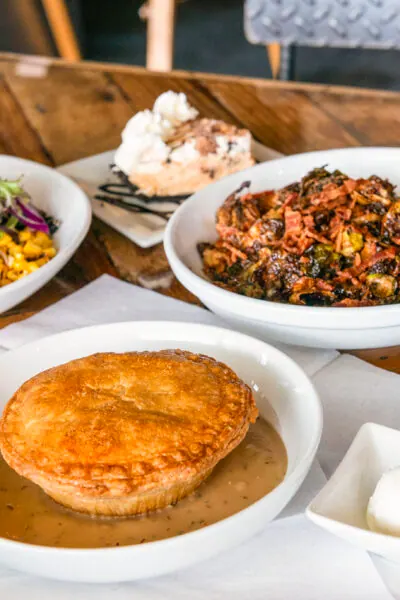
Traditional baking survives on memory, repetition, and patience. A pie crust is never just flour and butter. It is method passed from one set of hands to another, adjusted by weather, ingredient quality, and the judgment that comes only after hundreds of batches. That is what makes a place like pie cafe colorado springs worth examining. When a bakery takes a familiar category like pie and handles it with discipline, restraint, and technical skill, the results feel both nostalgic and fresh.
Anyone who bakes regularly knows that pie has a reputation for simplicity that it does not deserve. Bread can hide small mistakes. Cakes can lean on frosting. Pie is less forgiving. If the dough is mixed a minute too long, the crust toughens. If the filling is sweetened too aggressively, the fruit disappears. If the oven runs unevenly, a promising pie can leave the oven with a pale bottom and scorched edges. Elevating traditional baking means mastering those margins, then doing it consistently enough that customers notice not just a good pie, but a standard.
What makes that especially interesting in Colorado Springs is the environment itself. High-altitude baking is not folklore. It changes the job. Water evaporates faster, dough behaves differently, and fillings can thicken or break in ways that surprise anyone used to baking at lower elevations. A bakery that produces excellent pies in that setting is not simply repeating old formulas. It is interpreting them with care.
Tradition matters, but technique decides the outcome
People often romanticize old-fashioned baking as though heritage alone guarantees quality. It does not. Plenty of recipes handed down through families were designed for convenience, cost, or local conditions that no longer apply. What separates a strong modern pie shop from a sentimental one is the ability to honor the spirit of tradition while improving the execution.
That usually starts with crust. Good pie crust should taste like something. It should be tender, but not fragile, crisp at the edges, and structured enough to support filling without turning leathery. In professional baking, crust quality comes from a series of small choices rather than one grand secret. Flour selection matters. Fat temperature matters. Resting time matters. Even the way the dough is rolled affects how it bakes.
A well-run pie shop understands that “homemade” is not a synonym for inconsistent. In fact, the best bakeries make their products feel homey while operating with a level of precision most home kitchens cannot match. That can mean weighing ingredients instead of relying on volume, tracking dough temperature, or adjusting bake times by season. https://trentonrgdi224.theglensecret.com/why-everyone-is-talking-about-pie-cafe-colorado-springs Those details are invisible to the customer, but they are exactly what elevates the final product.
At a place centered on pie, those decisions also reflect philosophy. Some bakers chase dramatic sweetness and oversized slices. Others aim for balance. The strongest pie programs usually choose balance. They let butter taste like butter, fruit taste like fruit, and spices support rather than dominate. That may sound modest, but it is harder to achieve than excess. Anyone can make a pie louder. Few can make it more refined without making it dull.
Colorado Springs adds a layer of difficulty that skilled bakers learn to respect
Baking in Colorado Springs means working at altitude, and altitude exposes weak technique fast. Liquids evaporate more quickly, sugar can concentrate unexpectedly, and steam behaves differently inside dough. This is particularly important for pies because crust and filling have to finish at the right moment together. A crust that browns too quickly can trap an undercooked fruit filling. A custard pie can set around the edges while staying too loose in the middle.
Experienced bakers in the region tend to build altitude awareness into every stage of production. Dough hydration may need adjustment. Chilling periods matter even more because warm, softened fat can undermine structure before the pie reaches the oven. Fillings have to be thick enough to slice cleanly, but not thickened so heavily that they lose brightness and become gummy.
Fruit pies show this challenge clearly. Berries release juice unpredictably depending on ripeness, storage, and season. At altitude, the rate of evaporation in the oven can change the balance between syrupy and soupy. A bakery that consistently turns out clean slices with lively fruit is demonstrating real command. The customer sees a neat wedge on a plate. The baker sees a dozen quiet corrections that made that wedge possible.
There is also the climate to consider. Colorado’s air can be dry, and dry air affects both ingredients and finished product. Flour stores differently. Exposed dough dries out faster. Finished pies can lose their ideal texture if held improperly. That means execution is not only about mixing and baking. It extends to storage, display, and service timing.
Elevation is not about novelty, it is about restraint
One sign that a bakery takes pie seriously is restraint in sugar and spice. This sounds almost too simple to matter, but it is one of the clearest markers of professional judgment. Traditional American pies often carry strong emotional associations, which makes it tempting to overbuild them. More cinnamon, more brown sugar, more topping, more caramel, more everything. Yet many of the most memorable pies are memorable because the baker knew when to stop.
Apple pie is a good example. If the apples are good, they should retain shape and flavor. The filling should not collapse into anonymous sweetness. The spice profile should complement the fruit, not announce itself first. A bakery that gets this right is not only preserving tradition, it is refining it.
The same principle applies to cream pies and custard pies. Banana cream, coconut cream, chocolate silk, and similar classics can veer into heaviness very quickly. The best versions feel rich but not oppressive. That balance depends on texture as much as flavor. Whipped toppings should be airy and fresh tasting. Custards should be smooth and stable, with enough body to hold a slice without turning rubbery. Chocolate should taste deep rather than merely sweet.
When people say a pie tastes “like it used to,” they are often responding to balance more than recipe. They mean the pie tastes intentional. They can identify the crust, the filling, and the main ingredients separately rather than experiencing a sugary blur. That kind of clarity is a hallmark of elevated traditional baking.
Ingredient choices reveal the bakery’s priorities
A serious pie program does not need exotic ingredients to stand out. In fact, too much novelty can distract from craft. What matters more is the quality of ordinary ingredients and the way they are handled.
Butter is a straightforward place to start. In pie crust, butter contributes flavor, browning, and flake. Poor butter can make a crust feel flat even when the technique is sound. Flour matters too, not in a flashy way, but in how it absorbs water and develops gluten. Salt is another quiet player. A well-salted crust tastes fuller and more complex. It frames sweetness instead of merely supporting it.
Fruit deserves its own attention. Good bakers know that fruit quality changes week to week. Peaches in peak season behave differently from peaches shipped hard and ripened unevenly. Cherries vary in sweetness. Blueberries can be plump and concentrated one month, watery the next. Traditional baking is elevated when the baker responds to those differences instead of pretending every box of fruit is identical.
That often means seasonal judgment. A pie shop that rotates with the calendar, or at least adapts recipes according to what the ingredients are giving, tends to produce stronger work. Summer fruit pies should feel bright and alive. Fall pies should offer depth without muddiness. Winter can favor nuts, chocolate, citrus, and custards that deliver comfort without relying on scarcity-era shortcuts.
In professional kitchens, this kind of judgment usually shows up in tiny recipe changes that customers never see. Slightly less thickener on dry fruit, a touch more acid where sweetness needs structure, a shorter bake when a custard is setting fast. Traditional baking becomes exceptional when those calls are made well.
The crust is where expertise becomes visible
Many customers buy pie for the filling and remember the crust later. Bakers think about it in the reverse order. If the crust is weak, the pie is compromised before the filling enters the shell.
An elevated crust should do several things at once. It should roll cleanly, hold shape in the pan, bake through, and shatter lightly under a fork without turning to dust. Achieving that balance is more technical than most casual eaters realize. Overworked dough becomes tough because gluten develops too much. Underworked dough can crumble and leak butter. Too much water alters tenderness. Too little prevents cohesion. Even how the dough is folded or patched can influence flake.
In a professional pie shop, consistency comes from process. The dough is mixed just enough. It rests long enough for the flour to hydrate and the gluten to relax. It stays cold. The baker monitors not only the recipe but the feel of the dough, because humidity, flour age, and ambient temperature all affect performance.
Blind baking, docking, shielding edges, and managing oven heat are all part of the equation as well. A bottom crust that remains pale or soggy is one of the most common failures in pie. Customers may not use the term “underbaked,” but they know it when they bite into a gummy base. By contrast, a fully baked crust with even color and clear butter flavor instantly elevates the entire pie.
This is where a place like pie cafe colorado springs can distinguish itself. In a market where many desserts rely on decoration, pie asks the baker to prove competence in the fundamentals. There is nowhere to hide.
Familiar flavors become more interesting when they are handled honestly
Traditional baking does not need reinvention every week. In fact, constant reinvention can weaken a bakery’s identity. What people return for, especially with pies, is often a familiar flavor done exceptionally well.
That can mean a cherry pie where the fruit still tastes tart and vivid. It can mean a pecan pie that avoids the one-note sweetness common in mass-produced versions. It can mean a lemon pie with enough acidity to wake up the palate instead of coating it. These are not radical ideas, but they require conviction.
One of the clearest signs of a mature bakery is that it does not confuse complexity with quality. A pie can be layered, nuanced, and memorable with fewer ingredients if those ingredients are treated with respect. The goal is not to surprise at any cost. It is to deepen the customer’s sense of what the classic was supposed to be all along.
I have seen this firsthand in bakeries that refused to take shortcuts on cooling time or filling prep, even when demand was high. Customers usually do not witness the discipline behind that choice. They only notice that the slice they receive cuts cleanly, tastes balanced, and somehow feels more complete than similar pies they have had elsewhere. That difference is not magic. It is standards.
Service and presentation are part of the craft
A pie can be technically excellent and still lose some of its impact if it is handled poorly at the counter. Traditional baking is elevated not only by recipe execution but by service decisions that protect the product.
Temperature matters. Fruit pies often show best at room temperature or just slightly warm, where the crust remains crisp and the filling has settled properly. Cream pies and custard pies need careful chilling and storage. Slice integrity matters too. A ragged, collapsed piece sends a message, even if the flavor is good. Clean plating shows respect for the product and for the customer.
Portioning is another subtle but important factor. Oversized slices can seem generous, but they are not always wise. Pie is rich by nature. A bakery that portions thoughtfully is more likely to create a satisfying experience from first bite to last. There is practical wisdom in that, especially in a cafe setting where people may pair pie with coffee or eat it as part of a larger visit rather than as a standalone event.
Coffee service itself deserves mention. Good pie shops often understand that the beverage beside the plate changes the experience. A well-brewed coffee with enough body and balance can sharpen fruit, soften sweetness, and make butter flavors more apparent. This is not a side issue. In cafes, pairings shape memory.
Why local identity matters in a pie shop
A bakery rooted in Colorado Springs has an opportunity that chain operations rarely capture. It can reflect the habits, tastes, and pace of its community. That local identity matters because pie is one of the most place-sensitive desserts in American baking. Different regions have different expectations around sweetness, crust style, filling density, and even what counts as a staple flavor.
For a shop like pie cafe colorado springs, local relevance might show up in seasonal rhythm, customer relationships, and the ability to adapt quickly. Regulars notice when a bakery pays attention. They notice if the summer fruit offering tastes fresher than it did a month earlier because the produce changed. They notice if the crust remains consistently strong through holiday rush periods, when many bakeries slip. They notice if the staff can talk about a pie in practical, appetizing terms rather than generic sales language.
That kind of trust is hard won. Once built, it becomes one of the strongest assets a cafe can have. Traditional baking depends heavily on repeat business because the experience is tactile and emotional. People return to pie for comfort, celebration, routine, and memory. When a bakery handles that role well, it becomes part of the city’s daily life rather than just another dessert stop.
The strongest bakeries know where shortcuts hurt most
Every food business faces pressure to save time, control labor, and reduce waste. There is nothing romantic about ignoring those realities. The skill lies in knowing which efficiencies are harmless and which ones damage the product.
With pie, some shortcuts cost very little in quality. Others cost almost everything. Pre-measuring dry ingredients, for example, can improve consistency and speed without harming the outcome. Using quality frozen fruit out of season may be entirely sensible in certain applications. On the other hand, rushing dough rest, substituting lower-fat ingredients where structure matters, or underbaking to move product faster will show up on the plate immediately.
The best pie shops tend to protect a few non-negotiables:
- They do not compromise the crust.
- They give fillings enough time to develop and set properly.
- They watch seasonality instead of treating every ingredient as static.
- They train staff to handle and serve pie with care.
- They preserve flavor balance rather than chasing cheap sweetness.
These are not glamorous principles, but they are the difference between a pie that feels made and one that feels manufactured.
Elevating tradition means making people notice the craft without announcing it
There is a particular satisfaction in eating baked goods that carry real technical skill but do not perform that skill theatrically. Pie, at its best, works exactly that way. It appears simple. It tastes direct. Yet every successful bite contains dozens of disciplined decisions.
That is why a well-executed pie cafe stands out. It brings rigor to one of the most sentimental corners of baking. It treats tradition not as a costume, but as a standard to be met. In Colorado Springs, where altitude and climate raise the level of difficulty, that achievement means even more.
When people talk about a memorable bakery, they rarely praise hydration ratios, resting times, or starch percentages. They say the crust was flaky. They say the apples still tasted like apples. They say the slice held together until the fork went through it. They say they came back the next week.
That is how traditional baking is elevated. Not through novelty for its own sake, and not through nostalgia alone, but through craftsmanship so steady that classic pie feels newly convincing. A place like pie cafe colorado springs earns its reputation one crust, one filling, and one careful decision at a time.
3.14 Pi Bar
5152 Centennial Blvd
Colorado Springs, CO 80919
(719) 314-6172
FAQ About pie cafe colorado springs
Does 3.14 Pi Bar serve sweet and savory pies?
Yes. The café serves savory pot pies and seasonal sweet pies made from scratch. Flavors can vary.
Can I order a whole pie to take home?
Yes. The café sells whole sweet pies to take home. Check the current menu for flavors and ordering options.
Does 3.14 Pi Bar offer take-and-bake pies?
Yes. The café offers prepared pies that you can bake at home. Check the current menu for available varieties.