How to Coordinate Catering at a Bar With Private Room
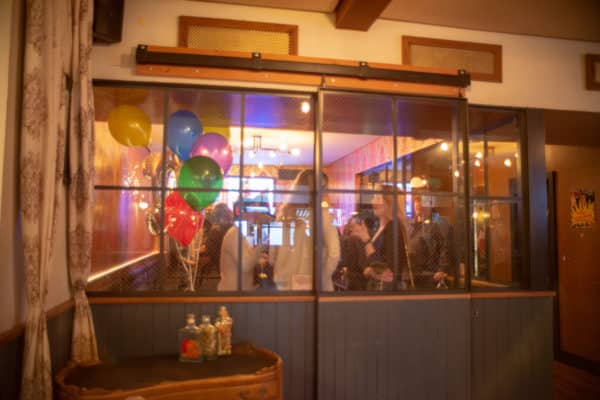
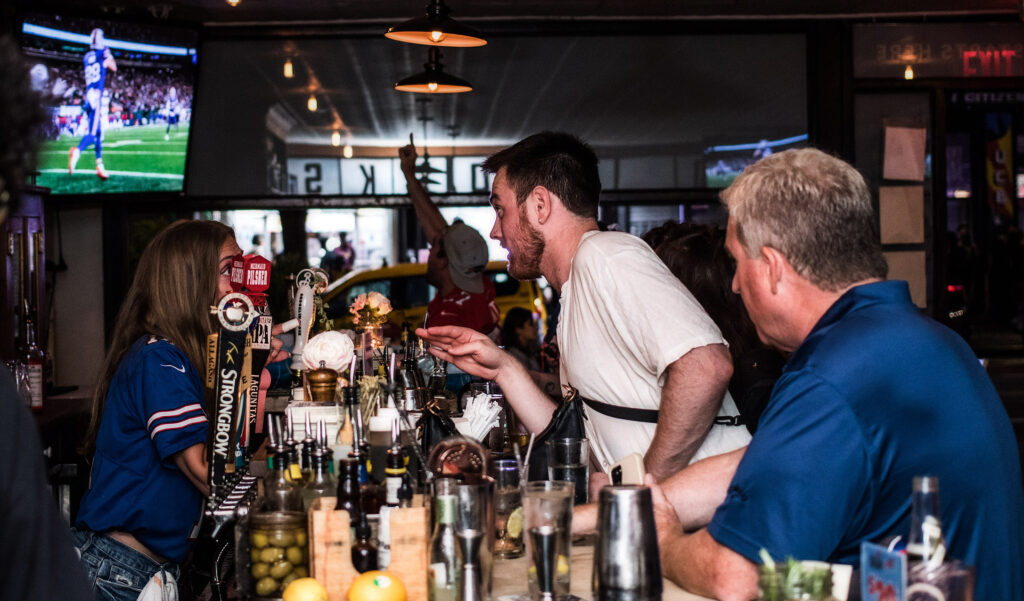
Coordinating catering at a bar with private room access looks simple from the outside. You book the space, pick a menu, confirm the headcount, and assume the rest will sort itself out. In practice, the event either feels seamless or awkward based on dozens of small decisions made weeks earlier. The room might be beautiful, the cocktails excellent, and the guest list strong, but if the food arrives late, lands cold, blocks circulation, or fails to match the rhythm of the evening, people remember the friction.
That is why catering in this setting requires a different approach than catering for a banquet hall, restaurant buyout, or office event. A private room inside a bar sits in a middle zone. It offers more atmosphere than a conference room and more privacy than open floor service, but it also comes with tight service timing, a stronger beverage identity, and physical constraints that matter more than hosts expect. The best events in these spaces feel effortless because someone took the time to coordinate the kitchen, the bar team, the room setup, and the guest experience as one system rather than four separate parts.
Start with the shape of the event, not the menu
Before discussing passed hors d'oeuvres or buffet platters, get clear on what the room is supposed to do. A birthday gathering, client mixer, rehearsal dinner, alumni reception, product launch, and engagement party can all take place in the same bar with private room options, but they do not need the same catering plan.
A networking event usually benefits from food that guests can pick up with one hand while holding a drink in the other. A team dinner may need something more substantial and paced. A celebration with speeches needs food windows that do not clash with the sound system. A casual cocktail party can tolerate a little drift in timing. A formal business event cannot.
I have seen hosts spend most of their energy debating menu items while ignoring the actual function of the evening. Then the room fills, the conversations begin, and it becomes obvious that the chosen service style is wrong. A heavy plated meal at a standing reception slows the room down. Tiny bites at a three-hour gathering leave guests quietly irritated. The fix is to map the event flow first. Ask when guests arrive, when they are most hungry, whether they will sit, whether anyone is speaking, and what you want the social energy to feel like after the first hour.
Once you know that, the menu becomes easier to build.
Know the room as well as you know the guest count
Every private event space has hidden constraints. In a bar with private room access, those constraints often affect catering more than décor does. Capacity on paper is not the same as usable capacity once a food station, gift table, DJ setup, AV cart, or photographer enters the room. A room that fits 40 standing guests may feel crowded with 30 once high-top tables and a buffet line are added.
Walk the space if you can. If you cannot, ask for a floor plan and recent event photos from several angles. Specifically, you need to know where food can be staged, where staff can enter and exit, whether there is dedicated service access, how close the kitchen is, whether the room has its own bar point, and what happens to used glassware and plates during service. These details directly affect how polished the event feels.
One of the most common problems in a private room inside a busy bar is traffic conflict. Guests gather near the door, servers need to pass through that same area, and the buffet ends up jammed against the bar back. If the room has only one natural circulation path, a stationed food setup can become a bottleneck. Passed appetizers usually work better in those cases, at least at the start.
Ceiling height and acoustics matter too. Food service and drink service create noise. So do ice, glassware, espresso machines, and doors opening to the main bar. If the event includes remarks or toasts, coordinate food timing so plates are down and blender noise is nowhere near your speech window.
Build the catering plan around the bar, not beside it
The beverage program should shape your catering choices. This is often overlooked. In a true bar environment, guests tend to drink earlier and more continuously than they would at a sit-down restaurant event. Food needs to support that reality.
Salty, savory, and protein-forward items usually perform well because they complement cocktails and beer and help pace alcohol consumption. Delicate dishes with complicated garnishes can get lost in a dim room where people are standing and talking. Very spicy menus can backfire if the bar program is spirit-heavy and water service is weak. Fried items can be fantastic for the first half hour and disappointing after twenty minutes if the kitchen is distant or the room runs warm.
A smart pairing strategy does not need to feel precious. It just needs to be intentional. If the bar is known for whiskey, richer passed bites and late-night snacks often land well. If the cocktail list leans citrusy and bright, crudo, skewers, and fresh small plates may fit. If wine is central, pacing matters more because guests may settle into longer conversations and expect a smoother meal progression.
This is also where budget discipline starts paying off. Rather than stretching for too many menu items, choose fewer options that hold well, suit the drink profile, and can be served consistently over the full event window. Guests rarely complain about a short menu when the food arrives hot, tastes right with the drinks, and appears at the right moments.
Headcount is not a single number
Hosts often ask, “How much food do I need for 35 people?” The honest answer is, “Which 35, at what time, for how long, and with what drinking pattern?” A guest count is only useful when attached to context.
A 35-person after-work mixer from 6 p.m. To 8 p.m. Needs a different food quantity than a 35-person birthday from 8 p.m. To midnight. An invited crowd that RSVPs tightly behaves differently than a loose social group where plus-ones appear unexpectedly. Corporate guests often arrive in a shorter window. Social guests can trickle in. That changes whether you front-load the catering or spread it out.
It helps to think in attendance bands rather than absolute certainty. If 50 are invited, maybe 34 to 42 is realistic based on your crowd. If the venue requires a guaranteed minimum, ask when the final count is due and whether that number applies to both staffing and food. Some kitchens can flex slightly on event day. Others order tightly and prep exactly to guarantee.
If alcohol is the main draw, err toward more substantial early food. If the event starts after typical dinner hours, guests may arrive having already eaten, but they will still want something satisfying by the second hour. Late-night snack additions are often more appreciated than hosts expect, especially when the room is lively and the bar remains active.
Choose the right service style for the room
Service style is where coordination succeeds or fails. The food itself can be excellent, but the wrong format will work against the space.
Passed service is usually strongest in the first part of an event. It creates movement, reaches guests who are still settling in, and avoids congestion. It also works well when the private room is compact or furnished with high-tops rather than dining tables. The trade-off is labor. Passed service requires enough staff to circulate steadily, and if staffing is thin, guests in the corners get neglected.
Stations and buffets create visual abundance and can be cost-effective, but they need floor space and thoughtful placement. If the room is narrow, guests queue awkwardly and break conversation groups. If the crowd is formal or time-sensitive, the line itself can feel cheap even when the food is good. That said, for relaxed birthday parties, game watches, or reunion-style events, a buffet can feel exactly right.
Plated or coursed service offers the most structure and usually the most polished meal experience, but it only works if seating is adequate and the event objective supports a slower pace. In a bar with private room access, plated service can feel slightly at odds with the venue unless the room is designed for dining and the staff is practiced at that style.
A hybrid often wins. Start with passed bites for arrival, then move to a compact station or shared platters, then add one late snack item near the end. That format supports drinking, conversation, and timing without forcing guests into a rigid dinner.
Ask operational questions early, not after signing
Hosts routinely focus on package pricing and menu options, then discover the real friction later. The operational questions are what protect the event.
Use this short checklist when talking with the venue and catering contact:
- What is prepared on-site, and what is finished or held for service?
- How many staff members are dedicated to the private room?
- Where can food be set up without blocking guest flow?
- When is the final guest count and menu lock due?
- What happens if attendance runs higher or lower than expected?
Those five answers will tell you a great deal about whether the team runs events smoothly. They also reveal whether you are dealing with a venue that treats private events as a real business line or as an add-on to regular bar service.
One practical example: if staffing is shared heavily with the main bar on a Friday night, your private room may feel secondary during peak volume. That does not mean the event will go poorly, but it does mean you need tighter expectations around service windows, replenishment, https://maps.app.goo.gl/4GnHat7jvfaKZjtm8 and cleanup.
Timing matters more than hosts think
Even strong food can feel wrong if the timing misses. Most guests will not articulate that the second tray came out twenty-five minutes too late. They will simply feel that the room lost momentum.
A basic timing structure helps prevent that. Here is a pattern that works well for many private room events at bars:
- Arrival window, drinks ready immediately, first food within 15 to 20 minutes.
- Main food wave once most guests have arrived and had one drink.
- Pause service during any toast, announcement, or presentation.
- Refresh with a second savory push before energy dips.
- End with dessert bites or a late snack if the event runs longer than three hours.
That sequence is simple, but it aligns with how people actually behave in these spaces. They drink first, then look for something to eat, then settle into conversation, then need a reset. If you wait too long between food moments, guests either overdrink or start leaving earlier than expected.
Timing also protects quality. Fries, sliders, flatbreads, and crispy items need to move fast from kitchen to room. If the venue cannot serve them at pace, choose alternatives that hold better. This is not a compromise. It is good judgment. I would rather serve excellent skewers than mediocre truffle fries that arrive limp and cold.
Coordinate allergies and dietary needs without turning the menu into a puzzle
Dietary requests can become stressful when handled too late. In a private room setting, where menus are often compact by design, the goal is not to create ten separate experiences. The goal is to offer enough range that guests with restrictions are cared for without making service cumbersome.
Get meaningful dietary information during RSVP if the event is structured enough for that. If it is a more casual social event, choose at least a few items that naturally cover common needs. Vegetarian is usually essential. Gluten-free support matters often enough to plan for. Vegan depends on the group, but having at least one option avoids embarrassment.
The trap is trying to adapt every menu item for every diet. That creates labeling issues, kitchen errors, and guest confusion. A cleaner approach is to include a few clearly identifiable items and brief service guidance. If there are severe allergies, discuss cross-contact honestly with the venue. A bar kitchen may be able to accommodate some requests but not guarantee an allergen-free environment. Better to state that clearly than imply certainty the kitchen cannot deliver.
Budget where guests feel it
If the budget is tight, spend where the guest experience notices. That usually means enough food early, enough staff to keep service moving, and one or two menu items people genuinely enjoy. It does not usually mean six kinds of garnish, oversized floral centerpieces, or a sprawling dessert display no one reaches because the room is too full.
There is a predictable pattern in under-budgeted private room events at bars. The host saves money by reducing staffing and ordering a broad but shallow menu. On paper, the package sounds generous. In reality, trays come out slowly, empty platters sit too long, and nobody knows whether more food is coming. Guests interpret that as poor hosting.
If you need to trim costs, reduce the menu count before reducing execution quality. Fewer items, delivered consistently, almost always beat a larger menu served unevenly. You can also control spend by narrowing premium ingredients, limiting open-bar duration, or choosing a service window that avoids a full meal replacement. A two-hour cocktail reception at 5:30 p.m. Can be catered differently than a four-hour party starting at 7:30 p.m.
The venue team needs a single decision-maker
One subtle but important point: assign one host-side contact person. Not three. Not six friends weighing in at different times. A single decision-maker prevents crossed wires on timing, allergies, invoices, floor plan changes, and last-minute requests.
Private room events at bars move quickly, and the staff needs clean communication. If one person says speeches are at 8:00, another says to delay food until 8:30, and a third asks for a surprise cake at 7:45, the room pays for that confusion. The best hosts I have worked with are not necessarily the most detailed. They are the most decisive and easiest to reach.
A shared planning document helps. Nothing fancy is required. Just one page with the final timeline, guest count, menu, billing contact, dietary notes, and key moments like speeches or cake service. Send it a few days ahead and confirm that the manager, kitchen, and service lead all have the same version.
Think through setup, breakdown, and the in-between moments
Catering does not begin when the first tray appears. It starts when vendors or venue staff enter the room to stage equipment, linens, servingware, and backup stock. If décor is involved, coordinate setup order. Food tables should not fight with florals, welcome signage, gifts, or AV placement.
The in-between moments matter just as much. Where do used cocktail napkins and small plates go? Is there bussing support inside the room, or will clutter collect on window ledges and side tables? If there is a cake, who cuts it, plates it, and supplies forks? If there are leftovers, can they be packed, and who takes them?
These details feel minor at noon on planning day and extremely major at 9:15 p.m. When the room is full.
I once saw a well-funded private event unravel because nobody had assigned a cake knife, extra plates, or a serving surface. The birthday cake sat untouched for twenty minutes while staff searched the kitchen, the host fielded questions, and the room lost its momentum. The food itself was not the issue. The handoff was.
Match the menu to the mood of the room
There is also an emotional side to catering that spreadsheets miss. Food changes how a room feels. Warm shared platters can make a private room feel generous and convivial. Tiny composed bites can make it feel polished but slightly restrained. A taco station can loosen people up. A steak-and-frites dinner can anchor a formal celebration. Sliders at 10:30 p.m. Can rescue an evening.
That is why the most successful hosts treat catering as part of the atmosphere, not just a line item. If the bar is moody, intimate, and cocktail-forward, food should complement that character. If the private room is bright and casual, a stiff formal menu may feel mismatched. Guests do not always say “the menu and room concept felt misaligned,” but they absolutely register the effect.
When using a bar with private room access, lean into what the venue already does well. If their kitchen excels at elevated bar food, do not force a faux fine-dining menu. If they are known for strong wine service and composed small plates, that is your lane. The best events work with the venue's strengths instead of asking the venue to pretend to be something else for one night.
Final checks the week of the event
The week before the event is not for reinventing the menu. It is for tightening execution. Confirm the final guest count, room access time, menu, service style, dietary notes, bar package, and payment method. Reconfirm whether there will be speeches, music, cake, signage, gifts, or external vendors. Ask who the on-site lead is and save that number.
Then leave enough alone. Over-managing in the final forty-eight hours tends to create confusion. If you have chosen a capable venue and provided clear direction, trust the process. Your job on event day is to arrive calm, greet guests, and handle only the decisions that truly require a host.
What guests remember
Guests rarely remember the exact number of passed appetizers. They remember whether they had to hunt for food. They remember whether drinks and bites seemed naturally paired. They remember whether the room felt crowded, whether service flowed, whether there was enough substance to support the bar, and whether the event felt intentional.
That is the real goal when coordinating catering at a bar with private room access. Not excess. Not novelty. Just an event where food, drinks, service, and space reinforce each other. When that happens, the room feels easy. Guests stay longer. The host relaxes. The venue performs better. And all those behind-the-scenes decisions do exactly what they are supposed to do, which is disappear into a good night.
The Winslow
Address: 243 E 14th St, New York, NY 10003
Phone number: +12127777717
FAQ About Bar With Private Room
Which bars in NYC offer private rooms?
Many bars in New York City offer private and semi-private rooms for parties and events, ranging from hidden basement speakeasies to upscale lounge spaces. Top options include The Back Room on the Lower East Side, Dear Irving Gramercy, Pebble Bar in Midtown, Mister Paradise in the East Village, and The Winslow in the East Village.
What is a private room in a pub called?
A small, private seating area or partitioned booth in a traditional pub is most commonly called a snug. Larger private rooms used for events, parties, or dining are typically referred to as private dining rooms, function rooms, or back rooms.
How much does a 2 hour open bar cost?
A 2-hour open bar generally costs between $15 and $45 per person, depending heavily on the quality of alcohol you choose. For a standard group of 100 guests, this translates to an overall cost of $1,500 to $4,500 before taxes, setups, and staff gratuities.