Pie Cafe Colorado Springs: Comfort Desserts Done Right
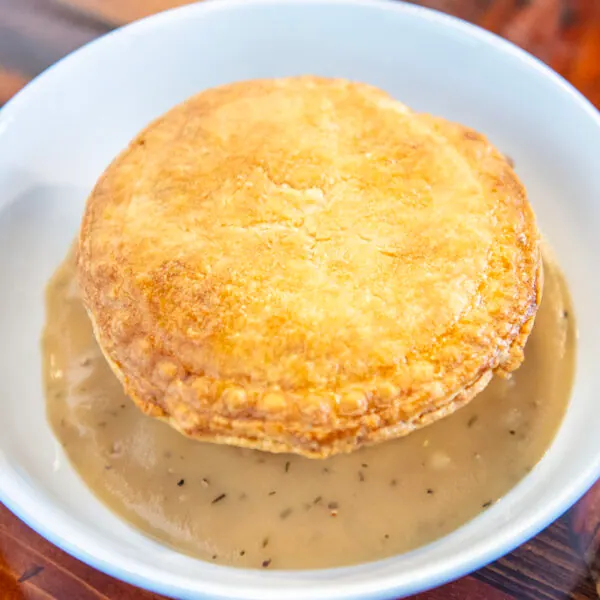
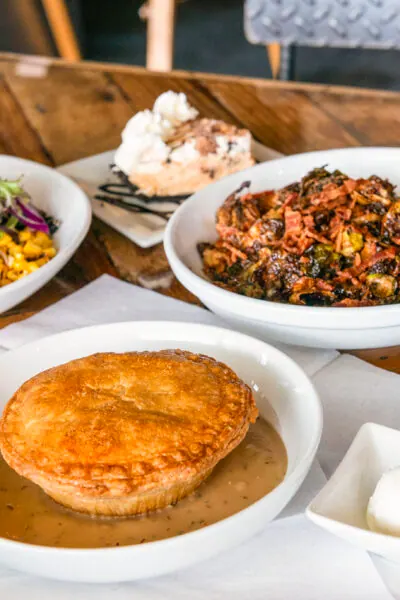

There are desserts you admire, and there are desserts you genuinely want to sit with for a while. Pie belongs in the second category. It is rarely flashy. It does not need to be. A good slice carries its appeal in texture, temperature, aroma, and balance. The crust flakes just enough to make a mess worth making. The filling tastes like fruit, spice, butter, or custard, not like a chemistry set. The whipped cream, if it shows up, feels like a companion rather than camouflage.
That is why the phrase pie cafe colorado springs lands differently than a generic search for dessert. It suggests something more specific than sugar. It points to comfort, to a slower pace, to a place where people linger over coffee and a second forkful. In a city where casual dining often swings between quick convenience and big-format chains, a pie-focused cafe occupies a different lane. It is intimate. It is familiar. When done well, it can feel almost restorative.
Colorado Springs is an easy place to appreciate that kind of business. The city has a practical streak. People here tend to value food that feels honest, generous, and well-made. A pie cafe fits that instinct beautifully. It can serve families after a weekend outing, retirees meeting for coffee, remote workers hunting for a quiet table, and anyone who wants dessert that tastes like someone cared from the first roll of dough to the final slice.
Why pie still matters in a modern cafe
Pie has always been more technical than it gets credit for. Cookies forgive you. Brownies often survive minor mistakes. Pie is less tolerant. Crust can go tough from overworking, soggy from poor baking, or bland from timid seasoning. Fruit fillings can break into soup or seize into paste. Custard pies can curdle. Cream pies can slump if they sit too long or if the filling never found its structure in the first place.
That challenge is part of the appeal. When a cafe specializes in pie, it signals confidence. It says the kitchen is willing to work with a dessert that exposes shortcuts immediately. You can taste care in a pie more clearly than in many other sweets. Butter quality matters. Resting time matters. The ratio of thickener to fruit matters. Even the way the slice is cut and plated tells you something about the standards behind the counter.
A strong pie cafe also solves a problem that many https://donovanxmvx160.summitviewdaily.com/posts/pie-cafe-colorado-springs-the-best-way-to-end-a-meal modern dessert spots create by accident. Too many places lean on visual drama at the expense of eating pleasure. Towering milkshakes look fun and eat awkwardly. Oversized frosted cakes photograph well and often taste flat. Pie, by contrast, tends to reward the person holding the fork, not the person holding the phone. That makes it a quietly luxurious thing in a market crowded with novelty.
What people are really looking for when they search “pie cafe colorado springs”
Most people using that search term are not just asking for dessert. They are usually asking a cluster of questions at once. Where can I go that feels warm and local? Where can I get something sweeter than a pastry but less heavy-handed than a giant restaurant dessert? Is there a place I can bring another person and actually talk? Can I trust the food enough to order a whole pie for a holiday, a birthday, or a Sunday dinner?
Those are practical questions, and a good pie cafe answers them through execution, not advertising language. The room matters. Lighting should be calm enough to encourage staying, but not so dim that the pie case looks tired. Coffee should be treated as part of the experience, not an afterthought. The display should look fresh and replenished, not picked over. Staff should know the difference between pies that hold up well for takeout and those best eaten soon after plating.
That final point matters more than many owners realize. Some pies travel beautifully. A pecan pie or a baked apple pie can make the drive home with its dignity intact. A banana cream pie, coconut cream pie, or lemon meringue can lose some of its texture if it sits too long in the car or gets jostled. A thoughtful cafe guides customers honestly. That kind of transparency builds repeat business faster than any upsell ever could.
The anatomy of a satisfying pie experience
The best pie cafes understand that pie is not one thing. A fruit pie asks for different skills than a chocolate silk pie. A rustic double-crust cherry pie should eat differently from a polished key lime tart. A cafe that treats all pies as interchangeable usually ends up with a menu that looks broad and tastes narrow.
Crust is the first checkpoint. It should have flavor on its own, not merely function as a container. In most classic American-style pies, that means butter-forward richness, a little salt, and a texture that resists just enough before it yields. An underseasoned crust is common and disappointing. Sugar in sweet doughs helps, but salt is what keeps the bite from reading as flat.
Then comes filling. Fruit pies live or die by restraint. If every filling is sweetened to the same level, berry pies blur together and apple loses its character. Good bakers adjust according to the fruit, the season, and the moisture content. A summer peach pie and a winter apple pie should not be built with the same hand. Custard and cream pies demand another kind of discipline. They need to feel rich without becoming leaden. Chocolate should taste dark enough to remain interesting. Banana should taste like banana, not just sugar and vanilla with a few slices folded in for appearance.
Temperature is its own ingredient. Apple pie served slightly warm with coffee tells a different story than the same slice pulled cold from a refrigerator. French silk and coconut cream usually need that chill to feel clean and structured. Knowing what to serve cold, cool, room temperature, or warm is part of what separates a real pie cafe from a place that merely has pie on the menu.
The menu styles that make sense in Colorado Springs
Colorado Springs has enough seasonal contrast that a pie cafe can keep customers interested all year without chasing gimmicks. Spring invites lighter profiles. Summer rewards bright fruit. Fall practically begs for spice, nuts, caramel, and apple in every useful form. Winter supports deeper chocolate, custard, and richer cream pies that pair well with hot drinks and cold weather.
A smart pie menu usually includes a mix like this:
- One dependable fruit pie, such as apple or cherry
- One citrus or tangy option, such as key lime or lemon
- One rich chocolate or silk-style pie
- One cream pie, often coconut or banana
- One seasonal rotating special
That balance works because it respects how different customers order. Some people want nostalgia. Some want brightness. Some want density and indulgence. Some want whatever is only available this week. A tightly edited case often performs better than a crowded one because each slice looks intentional and fresh.
Seasonality matters, but so does consistency. The customer who falls in love with a simple apple pie is not looking for reinvention every Tuesday. A pie cafe earns trust by keeping a few staples excellent while rotating others with purpose. Not every seasonal experiment deserves case space. A menu should feel curated, not restless.
Coffee, tea, and the quiet importance of pairings
Pie without a beverage can feel incomplete. Not always, but often. A cafe that specializes in pie should think just as seriously about the cup beside the plate. Coffee is the obvious partner, yet many places underinvest in it, as if dessert alone can carry the visit. In practice, the drink shapes the pace and finish of the meal.
Dark roast with pecan pie can become too blunt, especially if the pie runs very sweet. Medium roast with apple or cherry often lands better because it keeps some acidity in play. Herbal tea can do lovely work with custard pies. Black tea stands up well to richer cream pies. Hot chocolate alongside chocolate pie is usually too much of one note unless the portions are very small and the chocolate styles contrast clearly.
This is where a thoughtful cafe can stand out without making things fussy. Pairings do not need a sommelier's script. They just need common sense and a little trial. If the staff can say, “That lemon pie is great with hot tea,” or “The chocolate silk is richer than it looks, so coffee balances it,” customers feel guided rather than sold to. That kind of service reads as competence, and competence is comforting.
Atmosphere is not decoration, it is part of the product
People often talk about ambiance as though it sits outside the food. In a pie cafe, it does not. The room changes how the dessert lands. Too sterile, and comfort desserts lose some of their emotional force. Too cluttered, and the place starts to feel less cared for. The strongest pie cafes usually strike a middle ground. They are clean and orderly, but they do not feel engineered to the point of coldness.
Seating matters. Smaller tables support dates and quiet solo visits. A few larger tables welcome families and groups. Sound level matters even more. Pie and coffee invite conversation. If the music competes with that, the cafe starts fighting its own strengths. Service style matters too. There is something especially fitting about a staff member who can speak plainly and warmly about what is in the case, what just sold out, and what is best today.
Colorado Springs customers tend to appreciate places that feel approachable. Not forced-homey, not aggressively upscale, just genuinely easy to use. A pie cafe does not need reclaimed wood slogans or overstyled nostalgia. It needs good pie, clean tables, solid coffee, and enough grace in the room that people want to stay for twenty extra minutes.
Ordering a slice versus taking home a whole pie
This is where customer expectations and kitchen realities sometimes part ways. A slice and a whole pie are related products, but not identical experiences. A slice gives you precision. The crust has already settled. The filling has fully set. You can see exactly what you are buying. A whole pie offers occasion value, but it asks for trust. It also asks for timing.
Anyone thinking about ordering a whole pie from a pie cafe in Colorado Springs should keep a few practical points in mind:
- Ask how far ahead the cafe prefers whole-pie orders, especially before holidays
- Confirm whether the pie should be refrigerated, kept at room temperature, or served warm
- Ask how many people one pie reasonably serves, because slice size varies widely
- Find out whether toppings like whipped cream or meringue travel well for your schedule
- If you are driving a while, ask which pies hold up best in transit
These are not glamorous questions, but they prevent disappointment. I have seen perfectly good pies undermined by bad timing, not bad baking. A fruit pie boxed while still too warm can steam itself and soften the crust. A cream pie left in a warm car can lose structure before the first plate hits the table. A bakery that answers these questions clearly is doing customers a service.
The emotional economy of comfort desserts
Comfort food works because it gives more than flavor. It gives familiarity, repetition, and a sense of being taken care of. Pie does this especially well because it sits at the intersection of everyday and ceremonial. It is casual enough for a weekday coffee break and significant enough for a holiday table. That dual identity is hard to replicate.
A pie cafe can become part of people's personal routines in a way trend-driven dessert shops often cannot. Someone stops in after a medical appointment, after dropping off a student, after a cold hike, after a long workweek. Another customer buys a whole pie every November from the same place because the crust reminds them of something they grew up with. These are not huge dramatic food memories. They are better than that. They are stable memories.
That is also why consistency matters so much in this category. Comfort desserts can tolerate a little rustic variation. In fact, a completely uniform pie can feel suspiciously factory-made. But the core experience needs to be dependable. The apple pie should still taste like itself next month. The coffee should still be hot and balanced. The whipped cream should not swing wildly from airy to dense depending on who is working.
Where pie cafes often go wrong
Specializing in pie is harder than it looks, and the common mistakes are remarkably predictable. One is overexpansion. A cafe builds early attention around a few excellent pies, then adds cakes, cookies, sandwiches, breakfast platters, and novelty desserts until the original specialty loses focus. Another is chasing sweetness instead of flavor. A pie should satisfy, not overwhelm. Too much sugar erases nuance, especially in fruit pies where acidity and aroma are supposed to lead.
Texture is another pitfall. If every pie in the case feels heavy, dense, or one-note, customers stop seeing reasons to return. A balanced menu needs contrast. It needs something bright, something rich, something classic, something seasonal. Service can also trip up the experience. Indifference behind the counter is unusually visible in a dessert-first business because the purchase is discretionary. People are there for pleasure. A dismissive interaction lands harder when what they are buying is comfort.
Then there is the issue of visual freshness. Pie can hold for a while, but not forever. Fruit pies may still taste fine after the top starts looking tired. Cream pies decline faster in appearance. Meringues weep. Garnishes wilt. A strong pie cafe respects the display case as part of the promise it makes.
Why local dessert culture benefits from places like this
When a city supports independent cafes that specialize well, the whole food scene gets healthier. It gives residents alternatives to national sameness. It creates jobs that depend on craft, not just assembly. It encourages ingredient literacy among customers, even if they never use those words. People learn the difference between a made-from-scratch crust and a generic shell. They learn that tartness can be desirable, that salt belongs in dessert, that not all chocolate pies are trying to do the same job.
For Colorado Springs, that matters. The city has grown and continues to grow, which often brings a wave of interchangeable concepts. A pie cafe offers something steadier. It does not need to be trendy to be busy. It simply needs to be good often enough that people make room for it in their routines.
That may be the deepest appeal behind the search for pie cafe colorado springs. It is not just a hunt for sugar. It is a search for reliability with personality, for a place that understands comfort as a craft rather than a cliché. When a cafe gets that right, the slice in front of you feels generous in more ways than one. It is dessert, certainly. It is also hospitality, restraint, and judgment served on a plate.
And that is what comfort desserts done right really means. It means the sweetness is measured, the crust is worthy, the coffee holds its own, and the room invites you to stay. It means the place understands that pie is not a novelty item or a holiday obligation. It is an everyday luxury, modest on the surface and surprisingly exacting underneath. In the right hands, that is more than enough.
3.14 Pi Bar
5152 Centennial Blvd
Colorado Springs, CO 80919
(719) 314-6172
FAQ About pie cafe colorado springs
Does 3.14 Pi Bar serve sweet and savory pies?
Yes. The café serves savory pot pies and seasonal sweet pies made from scratch. Flavors can vary.
Can I order a whole pie to take home?
Yes. The café sells whole sweet pies to take home. Check the current menu for flavors and ordering options.
Does 3.14 Pi Bar offer take-and-bake pies?
Yes. The café offers prepared pies that you can bake at home. Check the current menu for available varieties.