Top-Rated Drunken Noodle Near Me According to Local Foodies
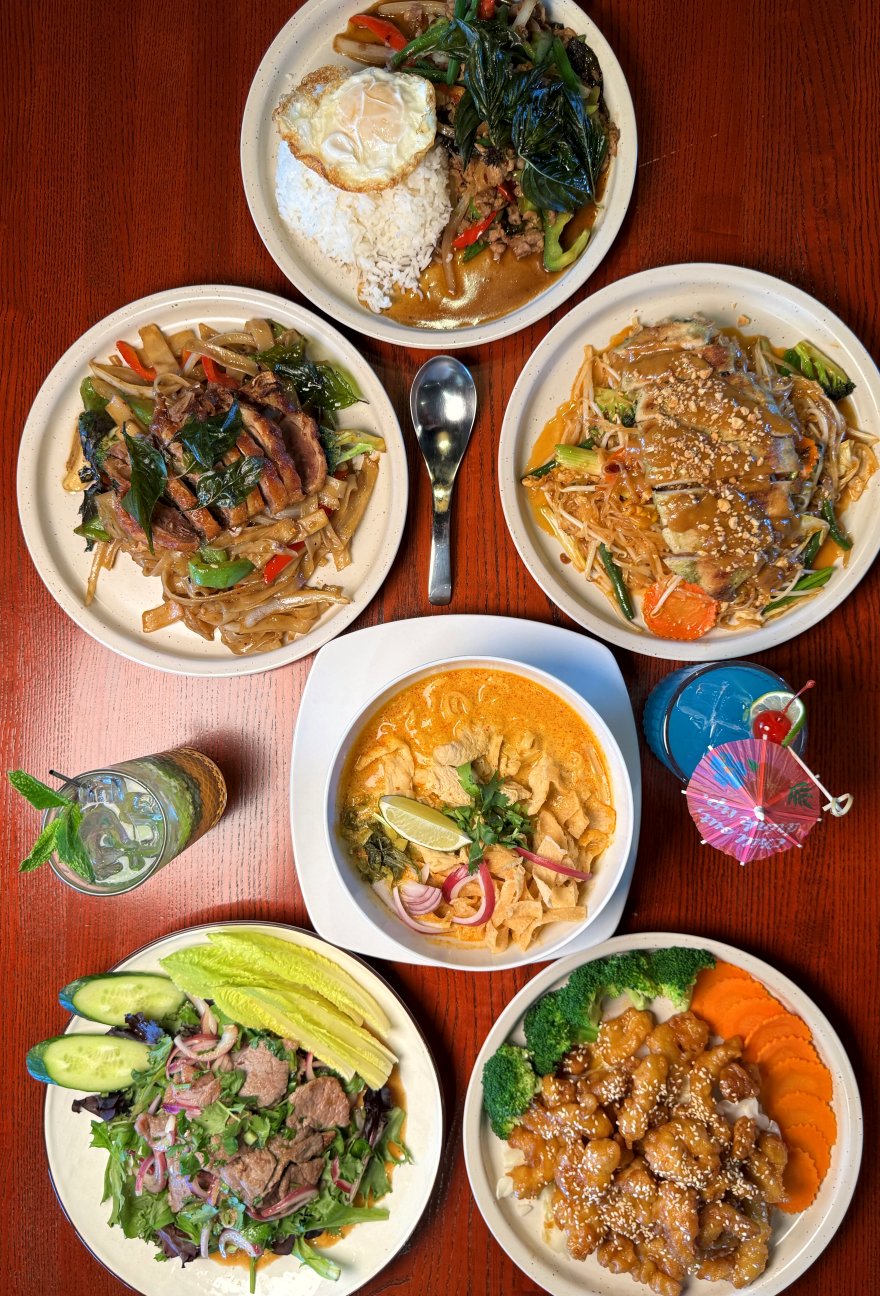
Search for Drunken Noodles Near Me in any decent-sized city and you will usually get a long, confusing list of Thai restaurants, takeout counters, and polished fusion spots with suspiciously similar ratings. The problem is not finding a place that serves drunken noodles. The problem is finding one that serves a version worth ordering again.
Local food lovers tend to be far more selective than the average app review suggests. They notice whether the noodles were scorched properly in the wok, whether the basil still tastes alive, whether the sauce leans salty instead of deeply savory, and whether the kitchen understands that this dish should hit hard without becoming clumsy. A top-rated Drunken Noodle is not just spicy noodles in a cardboard box. It is balance, speed, heat, aroma, and restraint, all pushed through a pan hot enough to leave character behind.
If you have ever ordered pad kee mao from three different places in https://ricardovrtf659.rivetgarden.com/posts/drunken-noodles-near-me-the-best-way-to-find-your-new-favorite-dish one month, hoping one would finally deliver the rich, smoky version you had in mind, you are not alone. This dish varies more than people expect. Some restaurants serve broad rice noodles slicked in sweet soy and chili. Others build something darker, fiercer, and more herbal. The best local spots usually have regulars who mention the dish by name and mean it.
What local foodies mean by “top-rated”
There is a difference between a restaurant with good online scores and a restaurant that local diners quietly trust. Ratings on delivery apps often reward consistency, speed, and portion size. Those things matter, but they do not tell you whether a kitchen has command of the wok. Food-focused regulars usually judge drunken noodles on a narrower, more demanding standard.
The first sign is noodle texture. Wide rice noodles should stay supple and springy, never shredded into short, greasy strips. A good kitchen gets char on the edges without drying them out. That sounds simple until you see how often it goes wrong. If the noodles clump together in one soft mass, the pan likely was not hot enough or the sauce was overused.
The second sign is basil. Many diners do not think about it until it is missing. Thai basil gives drunken noodles their lift, the peppery sweetness that cuts through oil, garlic, and chili. When a restaurant uses too little, or swaps in ordinary Italian basil without adjusting the rest of the dish, the whole bowl tastes flatter than it should.
Then there is heat. The best versions are spicy, but not in a one-note way. The chili should wake up the tongue, not bulldoze everything else. Local foodies often prefer restaurants that ask smart follow-up questions about spice level. “Medium” should not mean bland, and “Thai hot” should not mean culinary hazing. A serious kitchen knows how to scale heat while preserving the flavor profile.
The last factor is aroma, especially wok hei, that elusive smoky note that comes from intense high-heat cooking. It is difficult to fake. You can smell it when the container opens. It is one of the clearest differences between a passable takeout order and a genuinely memorable plate.
Why this dish is harder to master than it looks
Drunken noodles can fool people because the ingredient list seems straightforward. Rice noodles, soy-based sauce, vegetables, protein, basil, chili. Yet this is one of those dishes where timing matters more than complexity.
Wide noodles are fragile. They can tear, stick, or turn gummy in seconds. Vegetables need enough heat to soften while still staying bright. Proteins should be cooked through but not dried out, which becomes trickier in the same pan where the noodles need quick, aggressive tossing. Sauce has to coat instead of drown. Too little seasoning and the dish tastes hollow. Too much and everything slides into a salty, muddy blur.
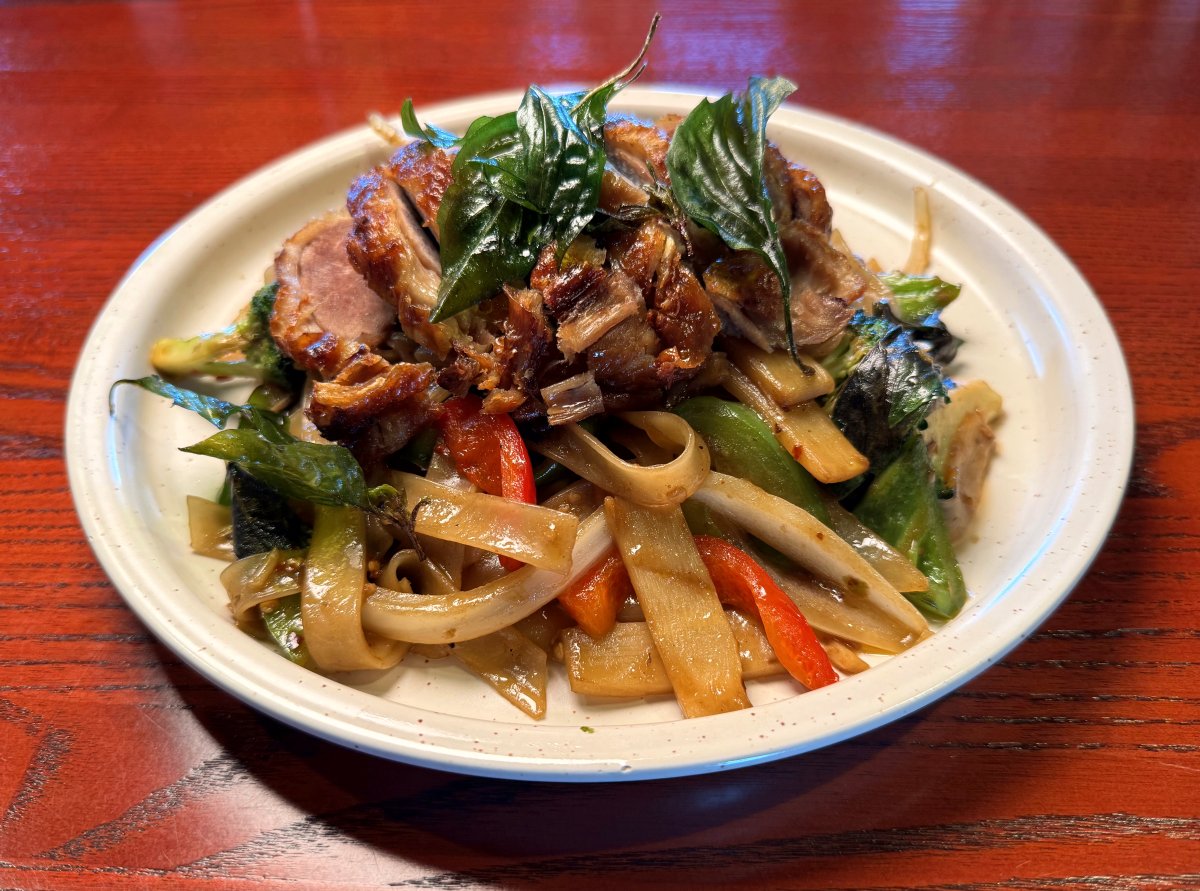
I have eaten versions at tiny family-run Thai spots, upscale urban restaurants, campus takeout places, and suburban strip-mall kitchens. The strongest plates usually come from restaurants that are busy enough to keep ingredients moving and confident enough not to overcomplicate the dish. Oddly, the most photogenic version is not always the best one. A glossy mountain of dark noodles may look rich under restaurant lighting, but if the basil has gone black and the peppers taste steamed instead of blistered, the dish loses its point.
The clues hidden in the menu
When local regulars judge whether a place is worth trying, they often start with the menu long before the order arrives. The menu can reveal whether drunken noodles are treated as a real house specialty or just another checkbox.
A thoughtful menu may list pad kee mao by its Thai name as well as its English translation. It may mention Thai basil specifically. Sometimes it notes whether the dish includes fresh chili, baby corn, bell pepper, onion, or green beans. Those details are useful, not because one template is universally correct, but because specificity usually signals intention.
If every noodle dish on the menu reads almost identically, with only the noodle shape changed, expectations should be moderate. That does not guarantee the food will be bad, but it suggests a streamlined kitchen rather than a nuanced one. By contrast, restaurants with a strong noodle game often distinguish clearly between pad see ew, pad thai, and drunken noodle, each with its own sauce profile and personality.
Descriptions also matter in another way. A menu that promises “sweet and spicy” drunken noodles may be aiming for mass appeal. One that emphasizes basil, garlic, and chili may be closer to what dedicated fans want. Neither is inherently wrong, but they are not the same experience.
What makes a great Drunken Noodle stand out immediately
Once the food arrives, strong versions announce themselves fast. You do not need to be a critic to notice the difference. Within the first few bites, a quality dish tends to show a few consistent traits:
- Broad noodles with slight chew, not mushy or broken
- Visible basil and chili, not just brown sauce
- A smoky aroma from high-heat cooking
- Salt, spice, and sweetness in balance
- Vegetables that still have texture
That checklist sounds basic, but many orders miss at least two of those marks. The best restaurants hit all five and still leave room for their own style. Some tilt more savory, some more herbal, some more aggressively spicy. What they share is control.
The “near me” trap, and how locals avoid it
Search engines are helpful, but they often flatten important differences. A place with 4.7 stars might be excellent for curries and just average for noodle stir-fries. Another restaurant might have a lower overall score because of slow weekend service, yet serve one of the strongest drunken noodles in the neighborhood.
Locals tend to look beyond the headline rating. They read the actual comments, especially from people who mention specific dishes instead of saying the food was “great.” If several recent diners praise the basil, the heat, the noodles, or the smoky flavor, that is useful. If reviews focus mostly on bubble tea, decor, or delivery speed, that tells you less.
Timing matters too. Some kitchens are much better at dine-in than delivery. Drunken noodles can travel reasonably well, but only for so long. Broad rice noodles continue to steam in the container. A ten-minute trip is different from a forty-minute one. When local foodies recommend a place, they often mean “eat it there” even if they do not say so directly.
This is where the phrase Drunken Noodles Near Me can lead people astray. The nearest option is not always the right option. For this dish, an extra fifteen minutes of travel can mean better wok hei, fresher basil, and noodles that were not softened to death in transit.
Regional habits and local variation
One reason people debate this dish so fiercely is that “authentic” is not one fixed target. Thai cooking in the United States, the United Kingdom, Australia, and Canada has evolved through local supply chains, immigrant communities, customer expectations, and regional restaurant culture. Even within one metro area, different kitchens may take legitimate but noticeably different approaches.
Some restaurants use more vegetables and a lighter sauce, making the dish feel almost fresh despite the heat. Others produce a darker, more caramelized plate with stronger soy notes. Some serve it with chicken by default, others with shrimp, beef, tofu, or a house combination. In a few places, seafood versions are a local favorite, especially where fresh squid or shrimp are easy to source.
This variation is not always a flaw. It becomes a flaw only when the dish loses its backbone. Drunken noodle should still feel bold, aromatic, and decisive. If it tastes like generic stir-fry sauce on rice noodles, local foodies will notice immediately.
Ordering like someone who knows the dish
You do not need insider status to get a better plate. A few practical choices can improve your odds, especially if you are trying a new restaurant for the first time.
First, be realistic about spice. Many people either undershoot and get a timid dish or overshoot and mute everything with heat. If you like spicy food but do not know the kitchen, medium-plus is often a smart starting point. It gives you room to judge their style before jumping to the top tier.
Second, think carefully about protein. Chicken is common and usually reliable. Beef can be excellent, but it needs skill to stay tender in a high-heat stir-fry. Shrimp cooks quickly and pairs well with basil, though it can overcook during delivery. Tofu can be superb if the kitchen treats it as more than a filler. In busy restaurants with strong vegetarian followings, tofu drunken noodles are often a real strength rather than an afterthought.
Third, ask if they can keep the noodles and vegetables slightly firmer for takeout if the restaurant is close by. Not every kitchen will accommodate it, but some do, especially if they know the dish will keep steaming in transit.
Finally, if the place offers both standard and extra basil, take the extra basil. That one adjustment can move a merely decent order into very good territory.
The most common disappointments
When a highly rated place serves a forgettable plate, the problems are usually familiar. Local diners talk about them with almost forensic detail because each one points to a different weakness in the kitchen.
- Too much sauce, which makes the noodles slick and heavy
- Not enough heat in the wok, leaving the dish soft and one-dimensional
- Excessive sweetness that pushes it toward mall-food territory
- Basil added too late or too sparsely to register
- Delivery packaging that traps steam and ruins texture
Most of those flaws are fixable, which is why regulars stay loyal to restaurants that care enough to refine the dish over time. The best neighborhood spots often improve through repetition. You can taste when a line cook has made the same stir-fry hundreds of times and knows exactly how far to push it.
Dine-in versus delivery, which matters more here
For some foods, delivery is a small compromise. For drunken noodles, it can be a meaningful one. The dish is built around heat, speed, and texture. Those qualities start fading the moment the container closes.
At the restaurant, you get sharper edges on the vegetables, clearer basil aroma, and more distinct char on the noodles. The dish feels alive in a way takeout often cannot preserve. If you have been disappointed by a restaurant’s delivery version, it may still be worth trying the dish in person before writing it off entirely.
That said, some places engineer takeout remarkably well. They use vented containers, avoid over-saucing, and time the pickup window tightly. Local foodies remember those places. In neighborhoods where takeout is the default, the restaurants that master packaging gain a real advantage.
If you are assessing a new spot, the safest first test is dine-in or immediate pickup. It gives the kitchen the fairest chance to show what the dish is supposed to be.
Price, portion size, and whether “worth it” actually means quality
Drunken noodles can range from budget lunch special territory to surprisingly expensive dinner pricing, especially in urban centers. Price alone does not tell you much. A lower-cost version may be fantastic if the kitchen turns over ingredients quickly and keeps the dish focused. A pricier plate may reflect better protein quality, larger portions, or a stronger location rather than superior execution.
Local foodies tend to care less about raw volume than many casual reviewers do. An overloaded container can actually be a warning sign. Too much food packed too tightly traps steam, crushes the herbs, and muddies the texture. A slightly smaller portion, cooked with control, is often the better buy.
As a rough rule, if the noodles are the same price as simpler stir-fries but include generous protein, fresh basil, and a competent char, that is usually a fair deal. If the dish is expensive and still arrives soggy, sweet, and timid, no amount of portion size redeems it.
Reading the room, not just the reviews
One of the oldest tricks for finding a strong noodle dish is still one of the best: look at what people in the restaurant are actually eating. If multiple tables have broad noodles with basil and chili, that tells you something. So does the pace of the room. A steady flow of pickup orders during dinner service usually means the kitchen has rhythm. A dining room full of return customers who order confidently, without staring at the menu for ten minutes, is another good sign.
Staff behavior can be informative too. When you ask about the drunken noodles and the server answers immediately, maybe even offering guidance on spice or protein, that usually means the dish moves. If the response is vague, it may not be a house favorite.
I have found some of the best versions in places that were unassuming from the outside, fluorescent-lit, modest, busy, and completely unconcerned with trendiness. They did not need neon slogans on the wall because the noodles carried the reputation. Those are often the restaurants local foodies protect with a mix of pride and mild selfishness.
How to tell whether a place deserves repeat visits
A single strong plate is promising. A second strong plate is what earns loyalty. Consistency matters with drunken noodles because the dish is vulnerable to sloppiness. Repeat performance tells you whether the quality comes from a disciplined kitchen or a lucky night.
Pay attention to whether the basil quantity changes wildly, whether spice levels stay coherent, and whether the noodles keep the same chew from order to order. If one visit is smoky and balanced and the next is syrupy and flat, something is off. That kind of inconsistency is more common than people think, especially at restaurants juggling large delivery volume.
The best neighborhood Thai spots build trust slowly. You go back because the dish keeps landing in the same satisfying place. You know how hot to order it, which protein works best, whether lunch or dinner service is stronger, and whether dine-in is worth the extra effort. That knowledge is exactly what local foodies mean when they recommend a place, even if the recommendation starts simply with “their drunken noodles are the move.”
Finding your own favorite nearby
The search for a top-rated Drunken Noodle nearby is less about chasing universal rankings and more about learning what quality looks like. Once you know the signals, the process gets easier. Look for menus that speak precisely, reviews that mention the dish specifically, and kitchens that understand high-heat stir-frying rather than just sauce application.
Then trust your senses. When the container opens, the aroma should make a case for itself. The noodles should show char and elasticity. The basil should still matter. The heat should feel intentional. If all those pieces come together, you have probably found more than a convenient answer to “Drunken Noodles Near Me.” You have found the kind of local standby people quietly crave on a rainy night, after a long workday, or anytime only a deeply satisfying plate of noodles will do.
That is usually how the best recommendations spread. Not through flashy marketing, but through regulars who keep coming back because one dish, made properly, keeps proving its value.
Nakhon Luang Thai Kitchen
Address: 805 Village Center Dr, Colorado Springs, CO 80919
Phone number: +17195315175
FAQ About Drunken Noodles Near Me
What makes it drunken noodles?
Drunken noodles, or Pad Kee Mao, get their name from the Thai word khi mao (meaning "drunkard"). They contain no alcohol. The name comes from the idea that the dish is a popular late-night meal to cure a hangover or a great food to eat with a cold beer.
What is the difference between pad see ew and drunken noodles?
While both Pad See Ew and Drunken Noodles use the same wide rice noodles, Pad See Ew is a mild, sweet-savory dish made with dark soy sauce and Chinese broccoli, whereas Drunken Noodles (Pad Kee Mao) are fiery, garlicky, and herbaceous with fresh chilies and Thai basil.
What are traditional drunken noodles?
Traditional drunken noodles, known as Pad Kee Mao in Thai, are a fiery, savory street food stir-fry made with wide flat rice noodles, fresh garlic, lots of hot chilies, meat or tofu, and fragrant holy basil. Despite the name, they contain no alcohol; the dish is traditionally eaten late at night or as a hangover cure because the intense spice helps clear the head.